
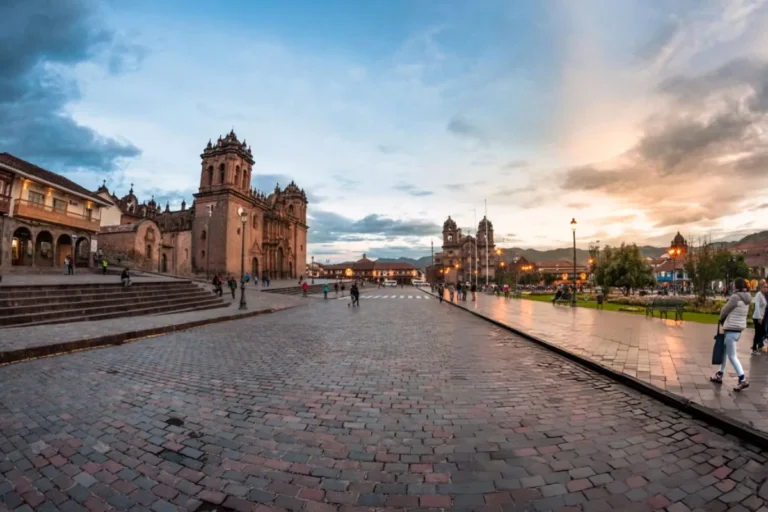
 A high-Andean valley of living towns, agricultural terraces and major Inca sites between Cusco and Machu Picchu.Sacred ValleyExplore destination ↗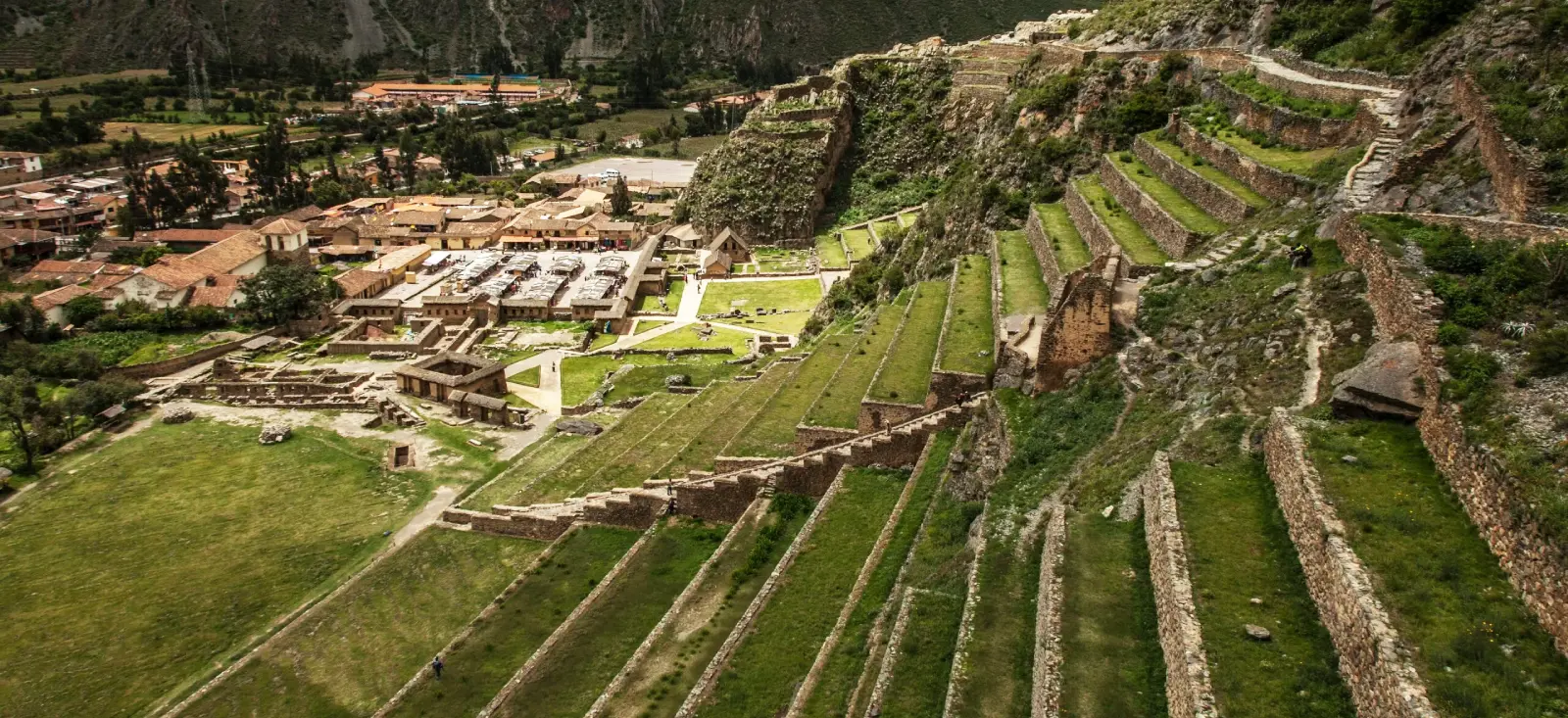
Customizable Peru journey
Sacred Valley Sleep Better – 5 Days
Travel at a gentler pace through Cusco and the Sacred Valley, with an overnight stay before Machu Picchu.
PERU, THROUGH A DIFFERENT LENSSCROLL TO EXPLORE ↓
Your journey, at a glance
Make this idea your own.
This itinerary is built around one simple idea: the trip feels better when the beginning is handled with more intelligence. Instead of arriving in Cusco and immediately forcing a heavy urban or archaeological schedule, the route shifts into the Sacred Valley early and uses that setting as the foundation for the rest of the journey.
That changes the experience. Pisac and Ollantaytambo are not treated as rushed checklist stops, and Maras, Moray, and Chinchero become part of a coherent valley block rather than a detached excursion. Machu Picchu then arrives at the right moment, after the traveler has already entered the region through a more natural rhythm. The final day in Cusco can close with a short city layer or remain practical for departure.
Route Cusco · Sacred Valley · Machu Picchu
At a glance
- Duration
- 5 Days / 4 Nights
Travel interests
Archaeology · Culture · Relax
Best for
Couples · Family · Honeymoon
Day by day
The chapters of your Peru journey
01Arrival in Cusco & transfer to the Sacred ValleyExplore chapter +
The trip begins in Cusco, but it does not stay there on the first night by default. After arrival, the route continues into the Sacred Valley, where the opening becomes calmer and less abrupt. This is not about pretending the valley removes altitude entirely. It is about creating a more comfortable first contact with the region and positioning the traveler more intelligently for the days ahead.
The rest of the day should remain simple. Check-in, real rest, a short walk near the hotel if the traveler feels well, and an early quiet evening are more useful here than trying to force a half-tour just to fill time.
Suggested highlights:
Airport pickup
Scenic drive into the Sacred Valley
Hotel check-in in the valley
Soft first evening with lower operational pressure
Pacing note / Why this day works here:
The route improves when the first day is used to settle in properly rather than to perform intensity.
- Overnight
- the Sacred Valley
02Pisac, cultural/textile block & OllantaytamboExplore chapter +
This day should feel like the Sacred Valley as a lived landscape, not just as a museum route. Pisac brings together terraces, mountain scale, and one of the classic archaeological profiles of the region. From there, the itinerary can include a textile or community-oriented cultural block that gives the day human depth instead of turning it into a dry sequence of ruins.
Later, the route moves to Ollantaytambo, one of the strongest historical and visual anchors of the valley. Here the itinerary gains weight. Ollantaytambo is not simply useful because of the train. It is one of the most important places in the valley in its own right, and treating it that way strengthens the whole product.
Suggested highlights:
Pisac archaeological and scenic setting
Valley market or artisan/cultural component depending on the day
Textile or community-based experience
Ollantaytambo town and archaeological setting
Why this day works here:
It turns the Sacred Valley into a real chapter of the trip instead of using it only as a corridor to Machu Picchu.
- Overnight
- the Sacred Valley
03Maras, Moray & ChincheroExplore chapter +
This day shifts the route into another layer of the valley. Moray introduces one of the most visually and conceptually distinct sites near Cusco, while Maras brings a working landscape with a very different texture from the rest of the trip. Chinchero adds altitude, identity, and a stronger connection to highland life and textile continuity.
Together, these places make the valley leg feel complete. The route is not trying to cover everything in the region. It is building one coherent block before Machu Picchu. That is why this day should remain focused and not overloaded with extra minor stops just for the sake of density.
Suggested highlights:
Moray circular terraces
Maras Salt Mines
Chinchero and its cultural atmosphere
Open Andean countryside throughout the route
Why this day works here:
It complements Pisac and Ollantaytambo with a different visual and cultural register, giving the valley section real breadth without losing control of the pace.
- Overnight
- the Sacred Valley or near Ollantaytambo
04Machu Picchu & return to CuscoExplore chapter +
After the Sacred Valley sequence, the route moves naturally into the Machu Picchu day. This is where the itinerary shows one of its biggest advantages: the train flow feels cleaner when the traveler is already structured around the valley. The visit itself remains the central experience of the day and should not be buried under too many add-ons.
After the guided visit, the route returns by bus and train, then reconnects with transfer service back to Cusco. For many travelers, this sequence feels more elegant than building the whole Machu Picchu day from a more fragmented Cusco-only structure.
Suggested highlights:
Train journey through the valley corridor
Guided visit to Machu Picchu
Return rail segment
Arrival in Cusco for the final night
Why this day works here:
Machu Picchu lands after the valley has already been understood as part of the trip, not as a separate appendix.
- Overnight
- Cusco
05Cusco closing or departureExplore chapter +
The last day should stay useful and controlled. If the departure is early, the route closes with breakfast and airport transfer. If the traveler has more time, the final hours can add a short curated city layer in Cusco without turning the day into another full excursion.
That closing matters. This itinerary begins by avoiding unnecessary pressure, and it should end the same way. A short walk through the historic center, a final coffee, or a brief heritage stop makes sense. A forced oversized half-day tour does not.
Suggested highlights:
Airport transfer
Optional short historic-center closing
Flexible ending depending on departure time
Pacing note / Why this day works here:
The route closes better when the final day respects the traveler’s rhythm instead of pretending there is still a full tour to sell.
Made memorable
Journey highlights
- Stay overnight in the Sacred Valley
- Visit Pisac and Ollantaytambo
- Explore Maras and Moray
- Travel to Machu Picchu
Included
- Airport pickup and arrival transfer
- 4 hotel nights
- Guided transport and visits through the Sacred Valley route
- Pisac, Ollantaytambo, Maras, Moray, and Chinchero itinerary structure
- Train and bus logistics for Machu Picchu
- Guided visit to Machu Picchu
- Final transfer to Cusco airport
- Breakfast if included by the selected hotel category
Not included
- International or domestic flights
- Travel insurance
- Meals not clearly specified
- Tips and personal expenses
- Optional hotel, train, or private-service upgrades
- Extra services not listed in the itinerary
Places in this journey
Explore the destinations
A high-Andean valley of living towns, agricultural terraces and major Inca sites between Cusco and Machu Picchu.Sacred ValleyExplore destination ↗An Andean city where living culture, history and the routes beyond the city come together.CuscoExplore destination ↗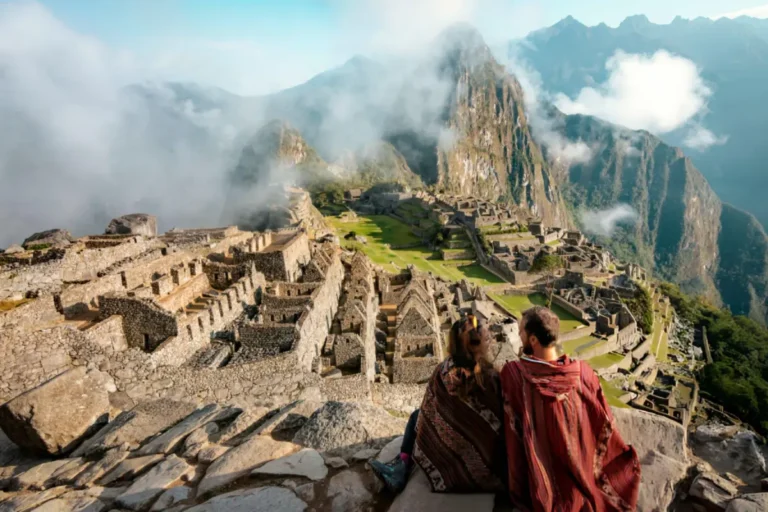 The place you came for, planned as part of a journey that is entirely your own.Machu PicchuExplore destination ↗
Planning answers
Questions about this journey
Why sleep in the Sacred Valley first instead of staying in Cusco?
Because the route starts more smoothly and the flow toward Machu Picchu usually feels more natural from a valley-based opening.
Is this route better for altitude-sensitive travelers?
It can be a better fit for many travelers because the opening is softer, although it does not remove altitude from the trip entirely.
Does this itinerary still include Cusco?
Yes. Cusco remains part of the route, especially at the close, but the trip does not force the whole opening to revolve around sleeping there first.
Can the cultural/textile block on Day 2 be adjusted?
Yes. It can lean more toward textiles, community interaction, archaeology, or a simpler scenic rhythm depending on the traveler.
Can I sleep in Aguas Calientes instead?
Yes. A variant with an overnight closer to Machu Picchu can be built, but it changes the internal feel of the itinerary.
Can this itinerary be private?
Yes. It can be adapted to private service, upgraded hotels, and a more premium valley-first style.
Is this a slower itinerary than the classic Cusco 5-day route?
Yes. That is exactly the point. It is designed to feel less abrupt and better ordered.
Can the final day include a short Cusco city layer before departure?
Yes. If flight timing allows, a short closing block in Cusco works very well here.