
 A turquoise glacial lake beneath dramatic peaks on the edge of the Salkantay landscape.Humantay LakeExplore destination ↗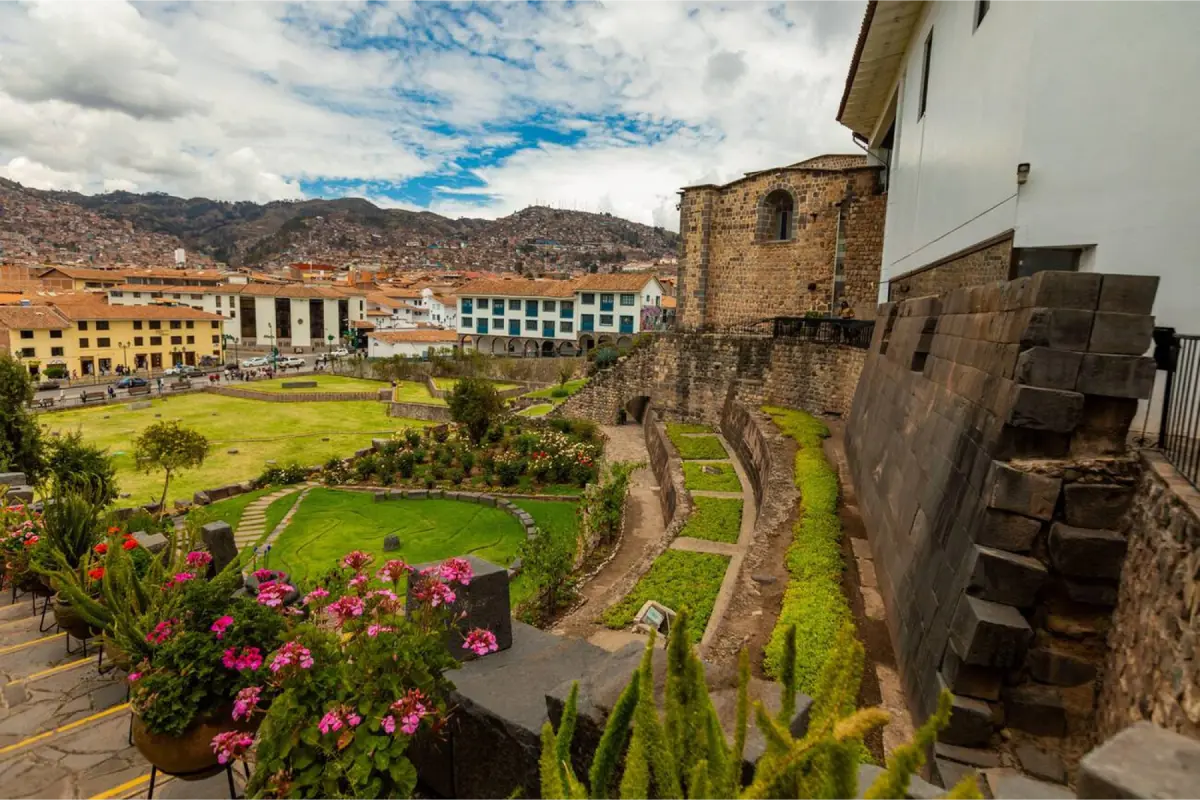
Customizable Peru journey
Cusco Peaks & Sacred Valley – 7 Days
This itinerary is built around sequence. Cusco opens the route with the historic layer that gives context to everything else. The following day moves through Chinchero, Maras, and…
PERU, THROUGH A DIFFERENT LENSSCROLL TO EXPLORE ↓
Your journey, at a glance
Make this idea your own.
This itinerary is built around sequence. Cusco opens the route with the historic layer that gives context to everything else. The following day moves through Chinchero, Maras, and Moray before the train connection to Aguas Calientes. Machu Picchu then keeps its own focused day instead of competing with another major excursion.
After the sanctuary visit, the route does not pretend the valley is already finished. It uses Ollantaytambo and Pisac as a real continuation, which gives the middle of the trip more substance and also buys more total time in the region before the two highest full-day outings. Only after that does the itinerary move into Humantay and Rainbow Mountain.
At a glance
- Duration
- 7 Days
Day by day
The chapters of your Peru journey
01Arrival in Cusco & afternoon City TourExplore chapter +
Suggested working time: ideal arrival before late morning or around midday; city block planned as a half-day of roughly 4 to 5 hours.
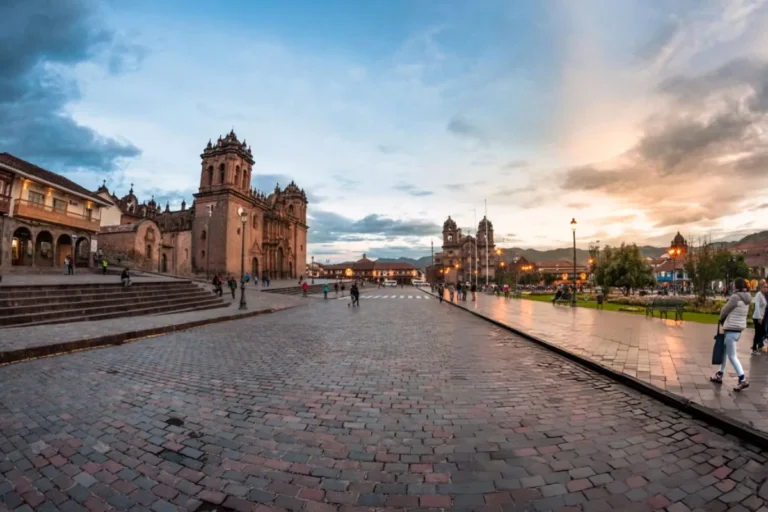
Arrival in Cusco, hotel transfer, short pause to settle in, and then a real half-day city tour. This route works best if Day 1 is not wasted. The city layer gives immediate context and helps the itinerary begin with heritage rather than only with transfers and waiting.
Suggested highlights:
Plaza de Armas
Qorikancha
Sacsayhuamán
Q’enqo, Puka Pukara, and Tambomachay depending on arrival time
Pacing note / Why this day works here:
Cusco sits high, so the first day should feel useful but not punishing. If the flight arrives very late, the city block should be reduced rather than forced.
- Overnight
- Cusco
02Chinchero, Maras, Moray & train connection to Aguas CalientesExplore chapter +
Suggested working time: early start around 6:30–7:00 a.m.; valley sightseeing block through the morning and early afternoon; rail connection later in the day depending on train assignment.
This day has to be tightly edited, not bloated. Chinchero, Maras, and Moray already create a very full cultural-scenic block. Because the rail connection follows later, this is not the day to overload the route with extra detours that only create delay. Ollantaytambo on this date functions mainly as the rail gateway, not yet as the deep archaeological stop of the itinerary.
Suggested highlights:
Chinchero and its highland atmosphere
Maras Salt Mines
Moray circular terraces
Rail connection to Aguas Calientes from Ollantaytambo
Why this day works here:
It creates a meaningful Sacred Valley transition and positions the traveler closer to Machu Picchu for a cleaner Day 3.
- Overnight
- Aguas Calientes
03Machu Picchu & return to Ollantaytambo / Sacred ValleyExplore chapter +
Suggested working time: early sanctuary visit according to ticket slot; return train in the afternoon; light evening in the valley rather than a hard same-night push into extra sightseeing.
Machu Picchu keeps its own day. That matters. The sanctuary is the central icon of the route and should not be buried under a fake “plus one more attraction” mentality. After the visit, the route returns to the valley and stays there overnight instead of rushing straight back to Cusco. That decision improves the rhythm of the next day.
Suggested highlights:
Guided visit to Machu Picchu
Return rail journey to Ollantaytambo
Evening in the Sacred Valley
Much cleaner transition into the Pisac day
Why this day works here:
Ollantaytambo–Machu Picchu train legs are commonly around 1 hour 30 minutes to 1 hour 40 minutes, so keeping the return centered on the valley is more coherent than forcing everything back into Cusco immediately.
- Overnight
- Ollantaytambo or nearby Sacred Valley base
04Ollantaytambo, Pisac & return to CuscoExplore chapter +
Suggested working time: full valley day, often best planned in the 8–10 hour range rather than rushed into a shorter slot.
This is the day that gives the itinerary its stronger middle. Ollantaytambo is not just the station you used yesterday; it is one of the region’s major archaeological and urban anchors. Pisac then adds another register: a different ruin logic, a different valley atmosphere, and a stronger sense that the Sacred Valley has actually been developed rather than skimmed.
Suggested highlights:
Ollantaytambo site and old town atmosphere
Pisac archaeological setting
Scenic valley viewpoints
Return to Cusco for the mountain block
Why this day works here:
It completes the valley chapter before the itinerary turns hard toward alpine full days.
- Overnight
- Cusco
05Humantay Lake full dayExplore chapter +
Suggested working time: market pattern usually around 11–13 hours total; typical road approach begins with about 2 hours to Mollepata and then continues to Soraypampa; hiking time often published around 1.5 hours uphill.
Humantay is the first real high-altitude nature day of this itinerary. By this point, the traveler has already spent several days between Cusco, the valley, and Machu Picchu, which makes this placement much more sensible than trying to sell the lake too early. It is still a long day, and it should be written that way.
Suggested highlights:
Soraypampa landscapes
Humantay Lake viewpoint
Snowy mountain backdrop
Return to Cusco in the evening
Pacing note / Why this day works here:
It opens the final mountain block without immediately jumping to the even more exhausting end of the route.
- Overnight
- Cusco
06Rainbow Mountain full dayExplore chapter +
Suggested working time: usually a 12–16 hour day depending on traffic, route variant, and operator style.
Rainbow Mountain closes the route at its highest-impact visual point. This day is demanding, but it makes sense here because the itinerary has already allowed more time in the region than a shorter 5- or 6-day package. It should still be sold honestly: early departure, a long return, and real altitude.
Suggested highlights:
Ausangate-region scenery
Rainbow Mountain viewpoint
Final major high-Andean landscape of the trip
Evening return to Cusco
Pacing note / Why this day works here:
It is a hard day, but by now the route has earned it.
- Overnight
- Cusco
07Transfer to the airportExplore chapter +
After two consecutive mountain full days, the itinerary closes better with a simple departure day. If the flight leaves later, a short coffee or last stroll can be added, but the base version should treat this as a clean exit.
Included this day:
Hotel pickup
Airport transfer
Made memorable
Journey highlights
- Strong city opening in Cusco without wasting the first day
- Chinchero, Maras, and Moray connected directly to the Machu Picchu rail segment
- Machu Picchu kept on its own clean day
- Ollantaytambo and Pisac treated as meaningful Sacred Valley layers, not filler
- Humantay placed after the valley block instead of too early in the trip
- Rainbow Mountain left for the final strong high-altitude day
Included
- Airport pickup and arrival transfer
- 6 hotel nights
- Guided city tour in Cusco
- Guided visits through Chinchero, Maras, Moray, Ollantaytambo, and Pisac according to final operation
- Train and bus logistics for Machu Picchu
- Guided visit to Machu Picchu
- Humantay Lake full-day service
- Rainbow Mountain full-day service
- Final airport transfer
- Breakfast if included by the selected hotel category
Not included
- International or domestic flights
- Travel insurance
- Meals not clearly specified
- Tips and personal expenses
- Optional train, hotel, or private-service upgrades
- Extra services not listed in the itinerary
Places in this journey
Explore the destinations
A turquoise glacial lake beneath dramatic peaks on the edge of the Salkantay landscape.Humantay LakeExplore destination ↗A highland town where Inca remains, a colonial church, farming landscapes and textile traditions share the same setting.ChincheroExplore destination ↗Concentric Inca terraces create one of the Sacred Valley’s most distinctive archaeological landscapes.MorayExplore destination ↗An Andean town associated with the extraordinary salt terraces that descend across a nearby hillside.MarasExplore destination ↗A Sacred Valley town connecting a hillside archaeological complex with a lively valley settlement and market tradition.PisacExplore destination ↗A living Sacred Valley town shaped by Inca stonework, steep agricultural terraces and an enduring urban plan.OllantaytamboExplore destination ↗A high-altitude mountain landscape known for bands of mineral color and expansive Andean views.Rainbow MountainExplore destination ↗A high-Andean valley of living towns, agricultural terraces and major Inca sites between Cusco and Machu Picchu.Sacred ValleyExplore destination ↗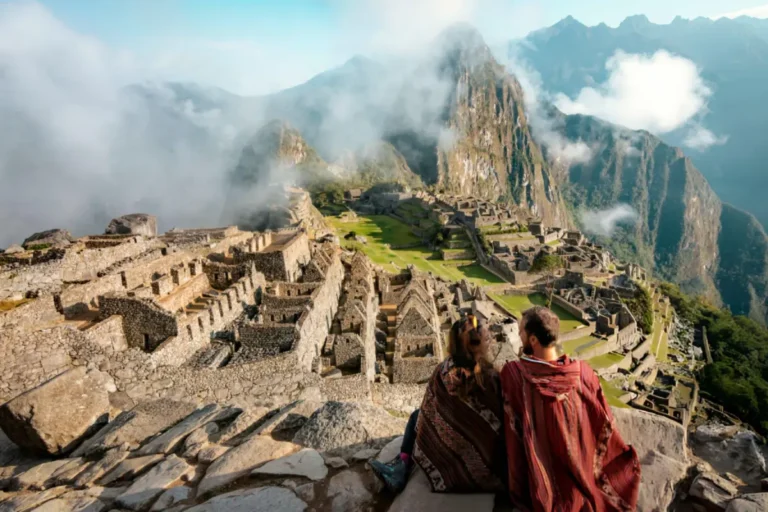 The place you came for, planned as part of a journey that is entirely your own.Machu PicchuExplore destination ↗An Andean city where living culture, history and the routes beyond the city come together.CuscoExplore destination ↗
A sense of place
Travel in pictures
Planning answers
Questions about this journey
Why not go straight back to Cusco after Machu Picchu?
Because the valley return is cleaner when the route stays one more night outside Cusco and uses Ollantaytambo and Pisac properly.
Is Day 4 too much after Machu Picchu?
Not if it is treated as a valley day, not as another forced “peak performance” day. It is long, but different in character from the mountain block.
Why place Humantay before Rainbow Mountain?
Because Rainbow is usually the longer and more punishing of the two full-day altitude outings, so it makes sense as the final major push.
Can I cut one of the mountain days?
Yes. Either Humantay or Rainbow can be replaced with a softer cultural or scenic day.
Can this itinerary be private?
Yes. Private service, hotel upgrades, and a more premium rail experience can all be built around the same route logic.
Can the Sacred Valley section be slower?
Yes. A premium or slower version can add one more valley night or shorten the final mountain block.
Do I need an early arrival on Day 1?
Preferably yes. If you land late, the city tour should be reduced or shifted instead of forcing it badly.
Can I move the airport transfer to a later day?
Yes. The structure can be expanded into an 8-day version if you want more recovery after Rainbow Mountain.