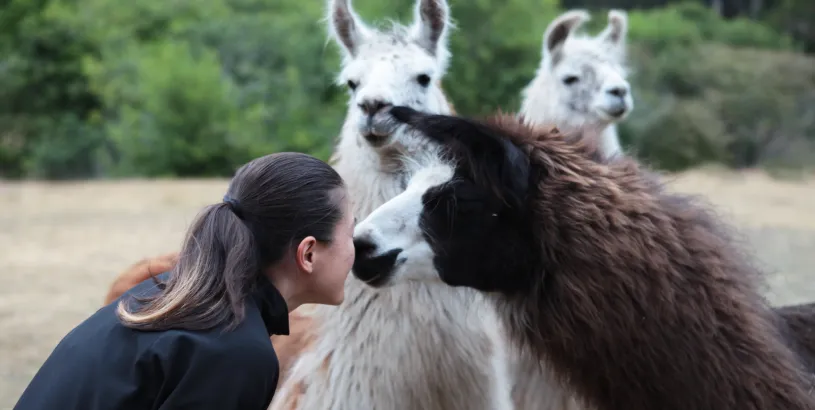

Where should you begin?
Choose the kind of day you want before choosing how many places to visit. Start with one priority, make room for the connections, and leave enough space to enjoy being there.
Begin with what matters to you.
A journey can begin with a photograph, a question or a place you have wanted to see for years. Each is a good starting point. The difficulty comes when every idea becomes something that must fit into the same day.
Start with one priority. That gives the rest of the day a shape. A conversation about what to leave out is often as useful as deciding what to include. The most rewarding plan leaves room for the experience itself.
If you have limited time
Choose a smaller area or a single experience you want to understand. Consider the time spent getting there as part of the day, rather than an empty space between the interesting parts. Ask what the journey involves before adding another stop.
If altitude is a concern
Discuss the places, walking and transfers you are considering before committing to a route. For personal health advice, speak with a qualified healthcare professional. A beautiful photograph cannot tell you whether an activity is suitable for you.
If you want more cultural context
Make time to read, observe and ask questions. A place becomes more interesting when you know what you are looking at. Begin with the different interpretations of Cusco’s name, then consider which of those questions you would like to explore in person.
See the landscape. Notice the detail.
A wide view helps you understand how places sit together. A close view tells a different story: the shape of a terrace, the texture of a textile, or the way a familiar ingredient is prepared. Give yourself time for both.
The Sacred Valley is not a single viewpoint. Thinking in terms of connected places helps you avoid treating it as a sequence of photographs. Decide which experiences interest you, then discuss a realistic way to connect them.
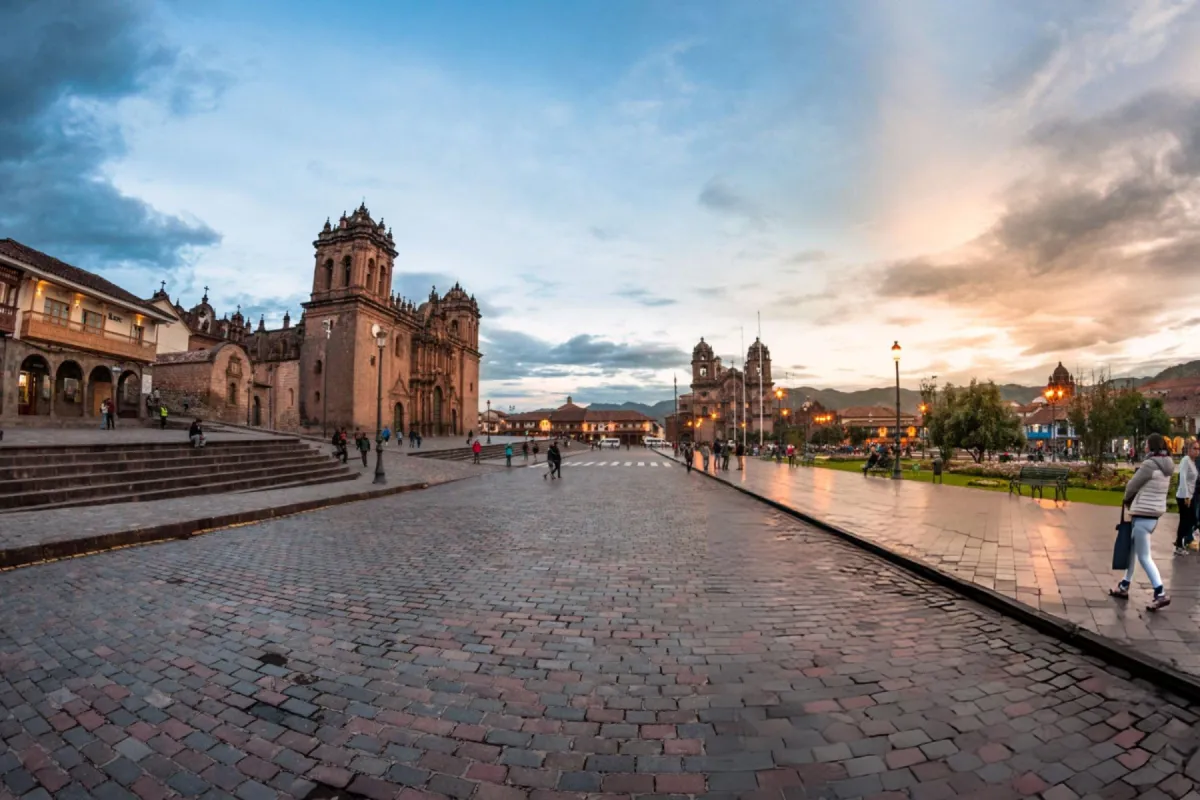
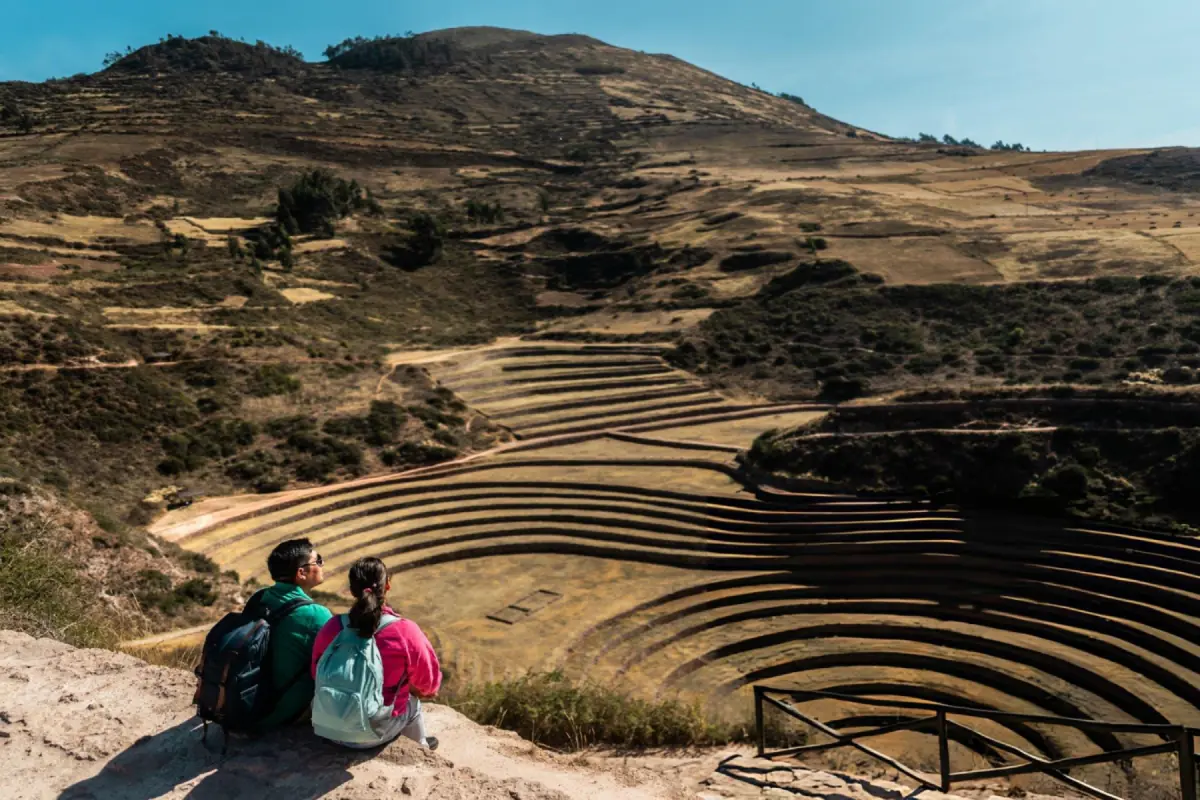
Move between the wider setting and the individual places within it.
Compare the day, not the checklist.
Choosing between a city day and time in the valley is not a competition between places. It is a question about the experience you want. The right comparison is how each option fits your interests, energy and available time.
For a slower rhythm
Leave space between commitments. A plan with fewer transitions can make it easier to linger when something catches your attention. Ask how a day might change if you prefer to spend longer in one place.
For a more focused interest
A theme can connect very different places. History, photography, food and living traditions each offer a useful thread. Choose a theme without requiring every hour to follow it.
Let the story take you a little further.
The more you understand about a place, the better your next questions become. A cultural story may change what you notice on a walk; a food article may send you toward a market rather than another viewpoint.
Keep the distinction between a story and an arrangement clear. An article can explain a place beautifully without being a current source for tickets, timetables or operating conditions.
Give the connections their own space.
Cusco, the Sacred Valley and Machu Picchu can be part of the same planning conversation, but they remain distinct places. How you connect them matters to the experience of the whole journey.
Before making arrangements
Ask about the order of travel, the time on the move and what is included in each arrangement. If something is unclear, resolve it before treating the plan as settled. Keep the answers together so that a change in one part does not get lost in the rest.
Make room to notice.
Some of the moments that stay with you are small. They may be a pattern, a conversation or a detail you would have missed in a hurry. A useful plan creates the conditions for those moments without pretending to schedule them.
Bring the wider landscape back into view after the detail. It is the movement between those scales that can make a place feel richer than any single image.
Give your ideas a place to begin.
Once a few places and priorities have emerged, you have enough to start a useful conversation. You do not need a finished itinerary. A clear sense of what matters to you is a better starting point than a long list of unconnected stops.
If you prefer to begin with an existing journey, explore what it includes and how its rhythm feels. Use it to ask better questions about the trip you want.
Saving a destination or journey keeps the idea close while you continue reading. It does not reserve a place or confirm availability.
The place in context
© OpenStreetMap contributorsThis map is for geographical orientation. It does not define a visitor circuit, transport route or current access conditions.
Location reference; this map does not define an approved route.
| Your starting point | What to explore next |
|---|---|
| A place that interests you | Which aspect of its landscape, history or everyday life would you like to understand? |
| Your time and pace | What would you like to spend more time on, and what could you leave out? |
| Practical arrangements | Which current access, transport and service details need confirmation for your dates? |
Sources and further reading
- Peru Travel · Cusco PROMPERÚ · Peru Travel Accessed
- OpenStreetMap · location reference OpenStreetMap contributors