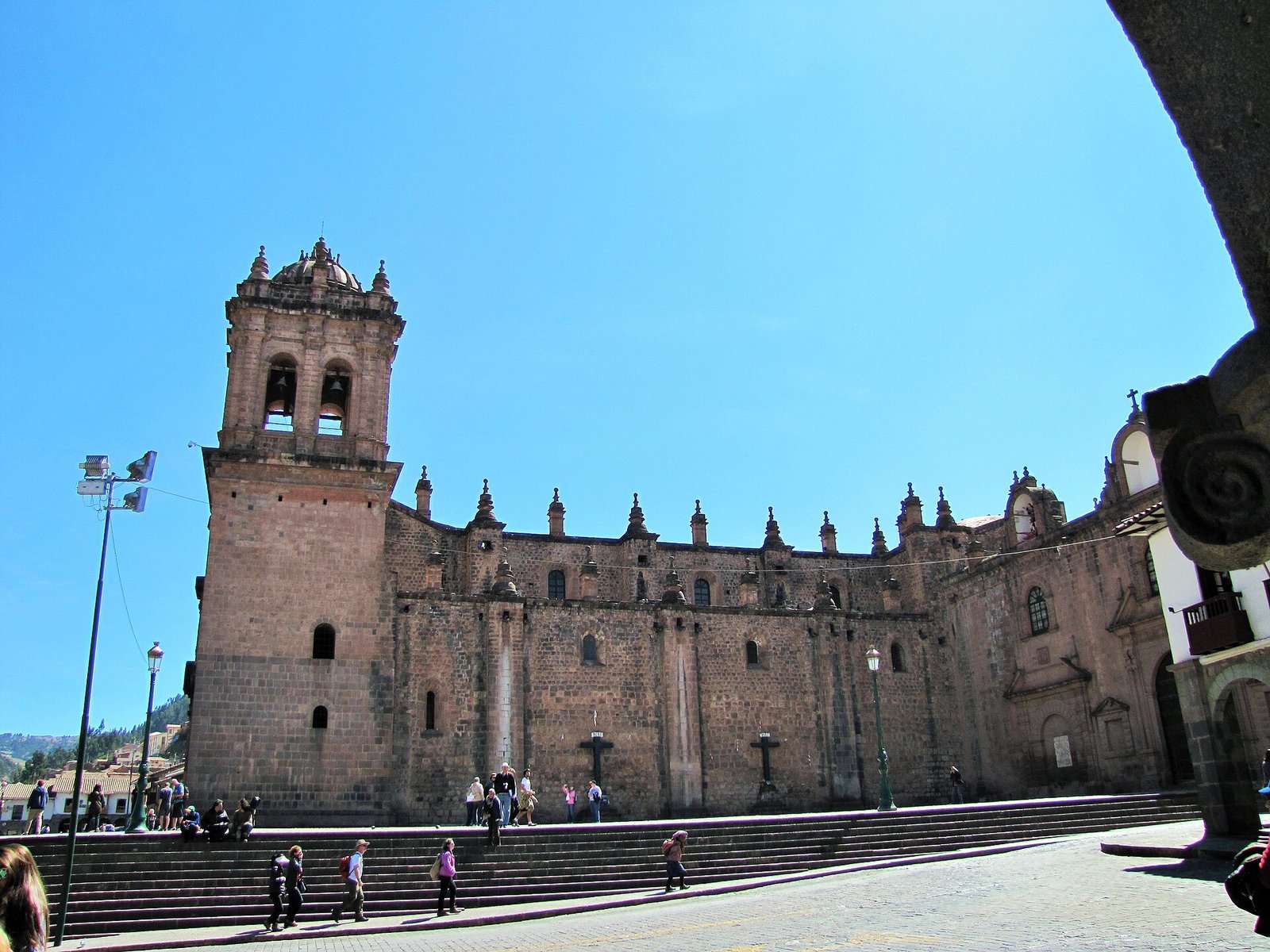

What makes Ollantaytambo worth more than a train connection?
Its Inca streets and water channels remain part of a lived-in town, while the archaeological park rises above it in terraces and monumental stonework. Treat the town and the park as separate parts of the visit, and leave time for both before any onward train.
Ollantaytambo often appears in an itinerary as the place where a traveler boards a train. That description misses its most interesting quality: the town and archaeological landscape still speak to one another. Stone streets, water channels and occupied houses sit beneath a hillside of terraces and large Inca structures. You can arrive for a transfer and leave having seen very little, or give the place enough time to become a chapter of the Sacred Valley in its own right.
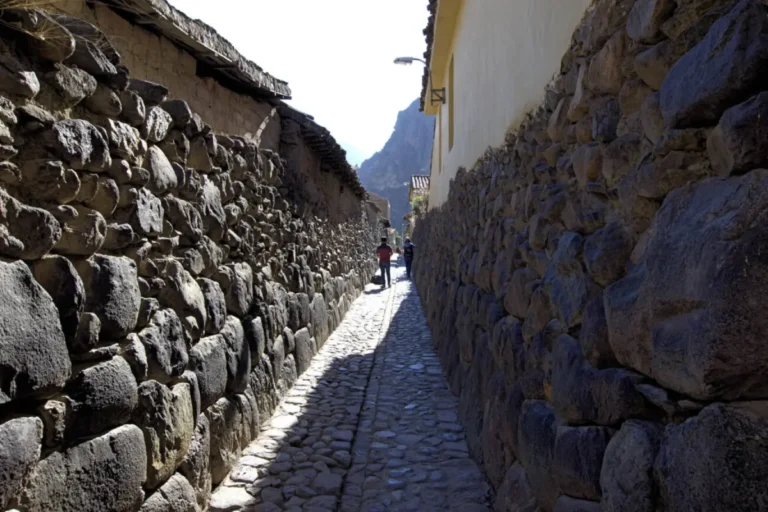
A town you can still walk through
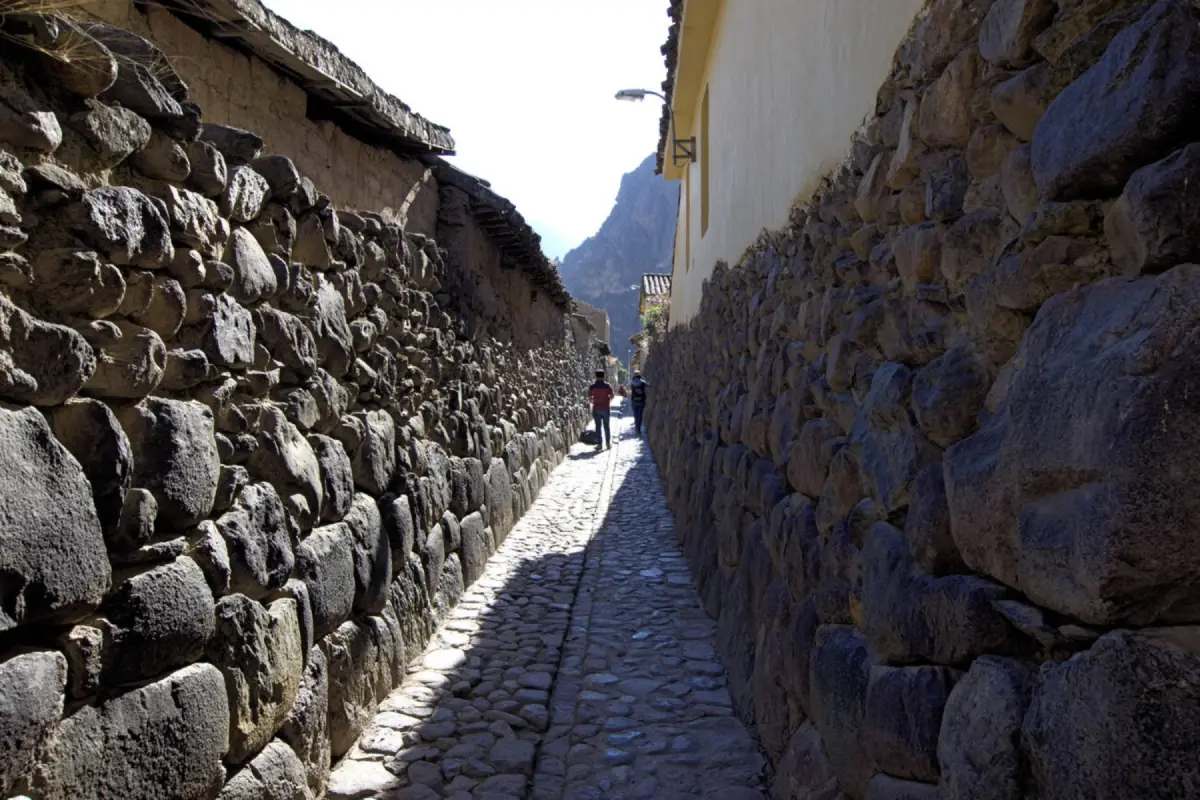
The grid of narrow streets is not a stage set. Look at the stone foundations and the small channels before rushing uphill. The old urban fabric is woven into a functioning town, so ordinary life and heritage share the same space. Walk respectfully, keep doorways clear and remember that residents, not visitors, set its daily rhythm.
Ollantaytambo also helps explain why the Sacred Valley should not be compressed into a string of photo stops. A short walk through the town and a considered visit to the archaeological park answer different questions.
What to notice in the archaeological park
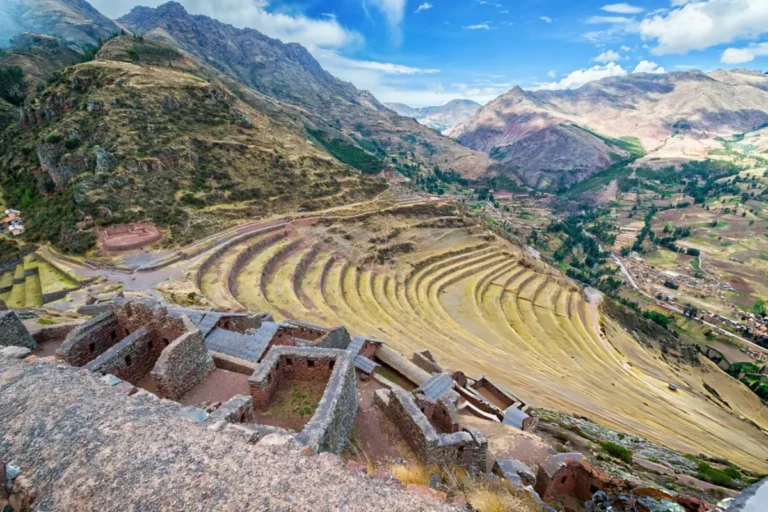
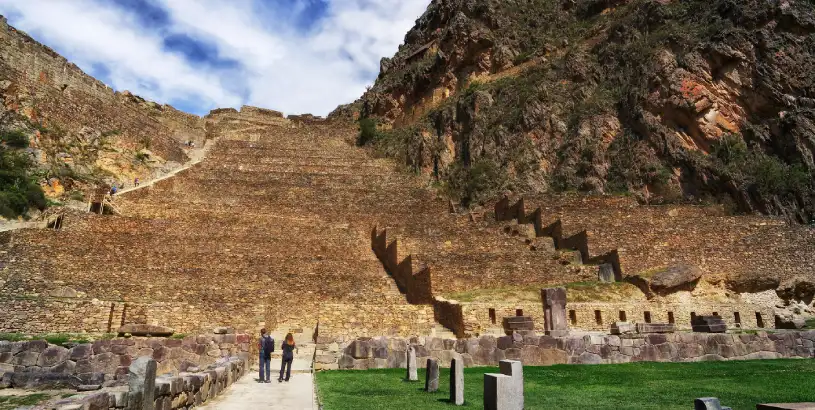
Terraces, stonework and the wider setting
From below, the terraces describe the slope; from above, the town and valley come into view. The Cusco Culture authority identifies Ollantaytambo as a park preserving structures of the imperial and late Inca periods. The scale of the worked stone is striking, but the relationship between buildings, water and hillside is just as revealing.
Do not assume every visible structure is open for walking. Follow the signed circuit and local staff guidance. The park is a protected archaeological place, not an unrestricted viewpoint.
History without a single label
Ollantaytambo had strategic, ceremonial and agricultural roles. Its later association with Manco Inca and the Spanish invasion is an important part of the story, but the entire place should not be reduced to a battle or the word “fortress.” The town has continued to change and remain inhabited since the Inca period.
How to make the visit work
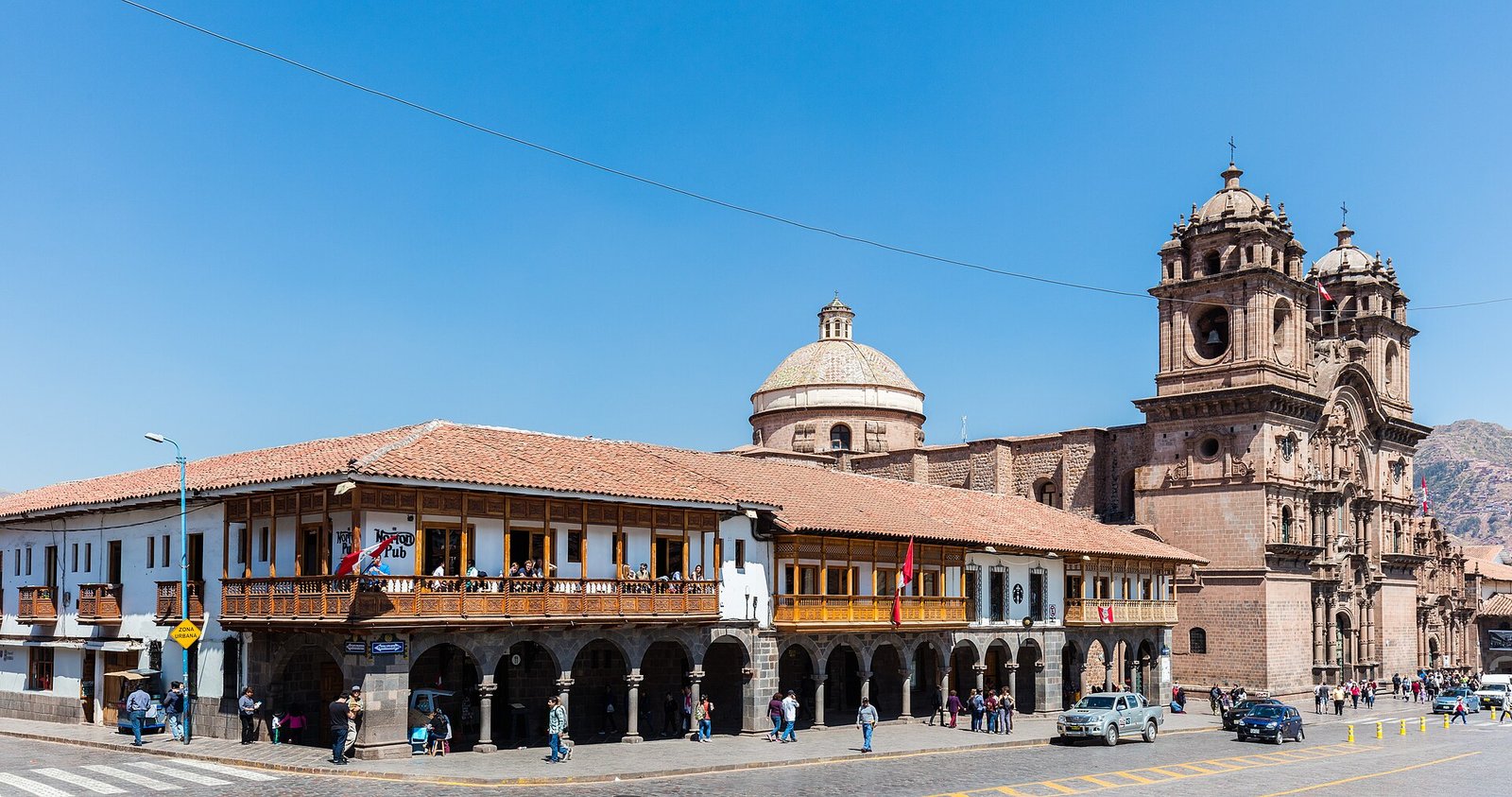
Start by deciding whether you want a short orientation or time to understand the site. If you are traveling to Machu Picchu by rail, check the exact station, operator, boarding time and park access independently. The archaeological visit, lunch, town walk and train check-in all consume real time. A night in the valley can make a calmer sequence than a hurried transfer from Cusco.
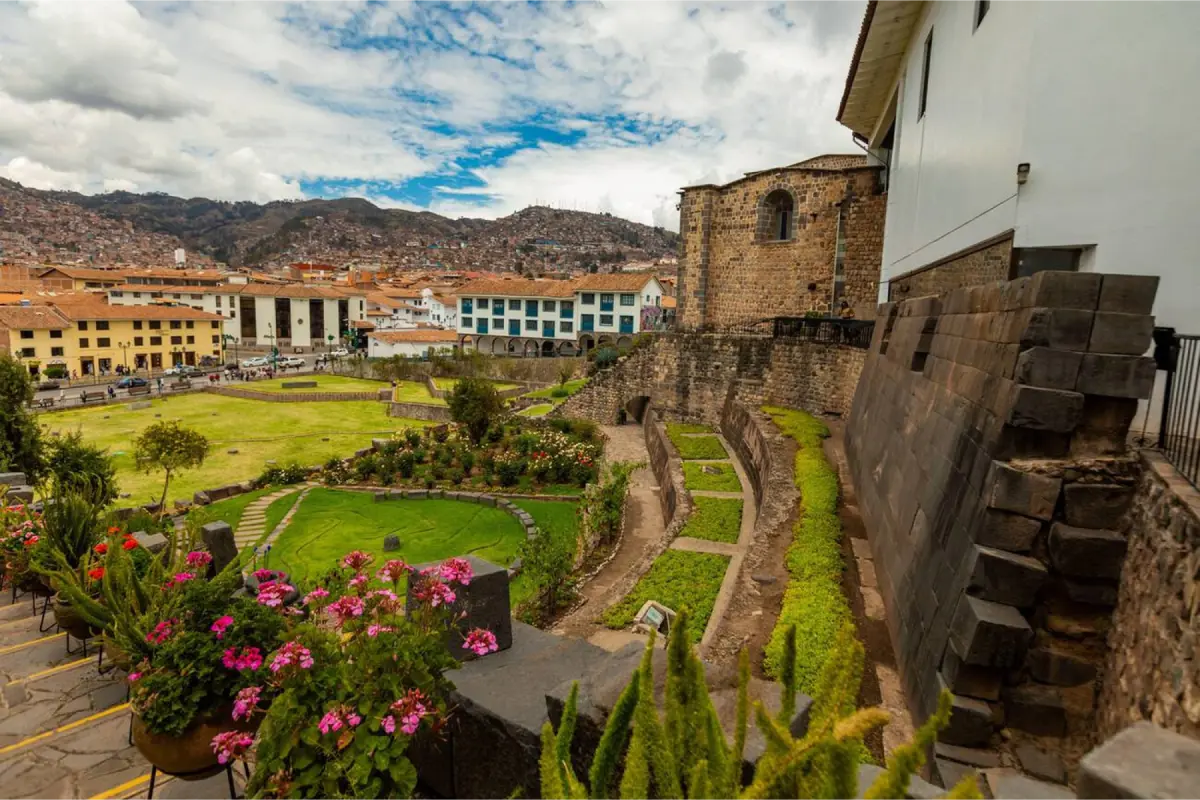
If you are arranging a wider route, compare Pisac for another meeting of settlement and archaeological landscape. The two places are not substitutes; each has a different relationship with the valley.
Before you go
Check the park’s current ticket and visiting rules directly with the Cusco Culture authority. Bring sun protection and water, and expect uneven stone and changes in elevation within the site. If mobility is a concern, ask which currently open areas are suitable before committing to the uphill circuit. This article gives context, not a promise that every sector or service will be available on your date.
Choose your Ollantaytambo visit
Separate time in the town from time in the archaeological park. If a rail connection is involved, start with the confirmed boarding requirement and work backward through transport, food and the visit. A guide can help connect the site with the town’s continuing life; a transfer alone does not provide that interpretation.
| Focus | What to consider | Practical choice |
|---|---|---|
| Town streets | Living urban fabric and water channels | Respect residential doorways |
| Archaeological park | Terraces, masonry and hillside views | Follow the current visitor circuit |
| Train connection | Onward journey toward Machu Picchu | Confirm station and boarding requirements |
Questions to carry forward
Is Ollantaytambo the same as Machu Picchu?
No. It is a separate town and archaeological park in the Sacred Valley. A train from Ollantaytambo can be part of a Machu Picchu journey, but the two places require separate time and access arrangements.
Can I visit the park just before my train?
Only if the current visiting circuit, transport and boarding time allow it. Check the park and rail operator directly, then leave a realistic buffer.
Sources and further reading
- Cusco Culture: Ollantaytambo Archaeological Park Cusco Culture Accessed
- PROMPERÚ: Ollantaytambo PROMPERÚ Accessed