
Are Qorikancha, Santo Domingo and the site museum the same visit?
They are closely associated places, but their spaces and admission arrangements should not be assumed to be identical. Qorikancha’s Inca remains and the Santo Domingo complex share a layered setting; the site museum is a distinct visitor facility.
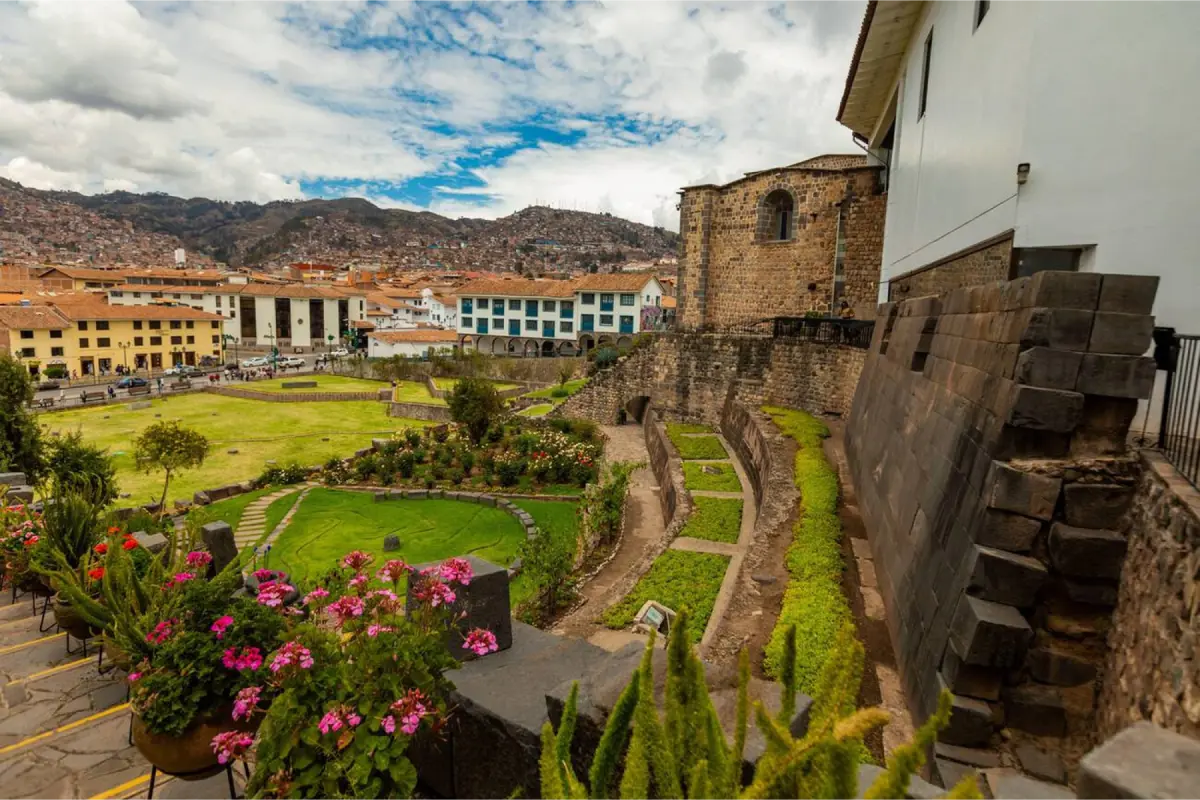
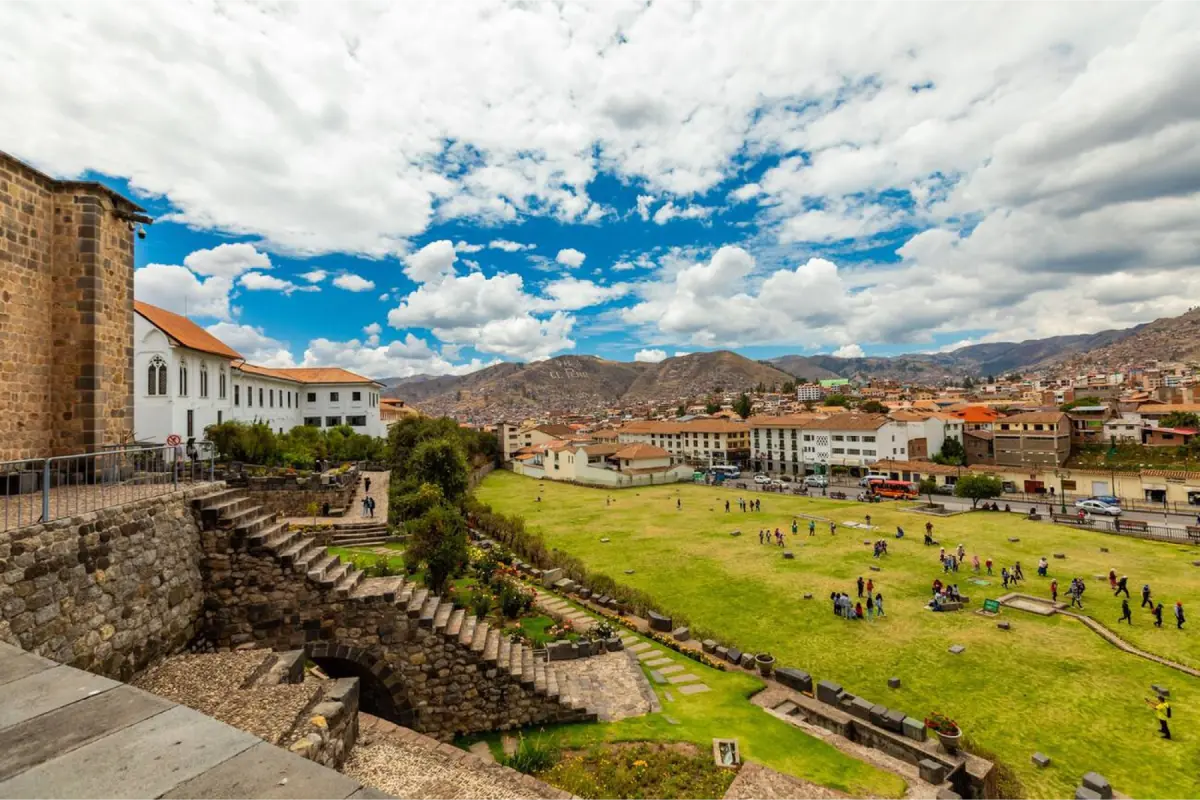
At Qorikancha, the relationship between Inca stonework and the later Dominican complex is visible rather than abstract. The attraction is not simply that one building stands on another. It is the opportunity to look closely at how sacred space, materials and urban power changed through time.
Begin with the Inca stonework
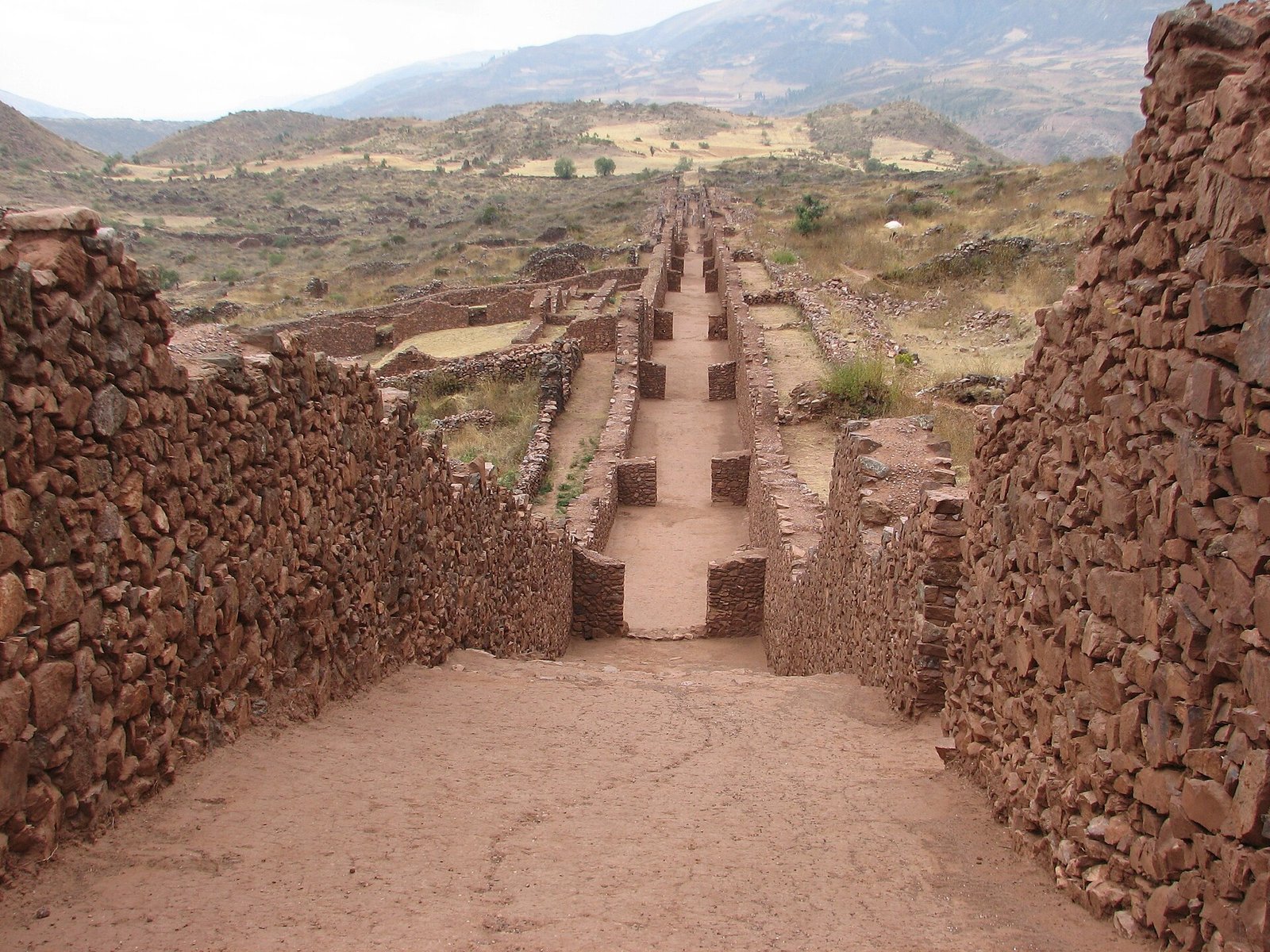
The fitted masonry is a good starting point because it gives the eye something precise to follow. Notice the regularity of surfaces and the way corners and openings are formed. A careful explanation connects those details to the significance of the Inca religious complex, instead of relying only on stories about vanished gold.
Santo Domingo and the colonial transformation
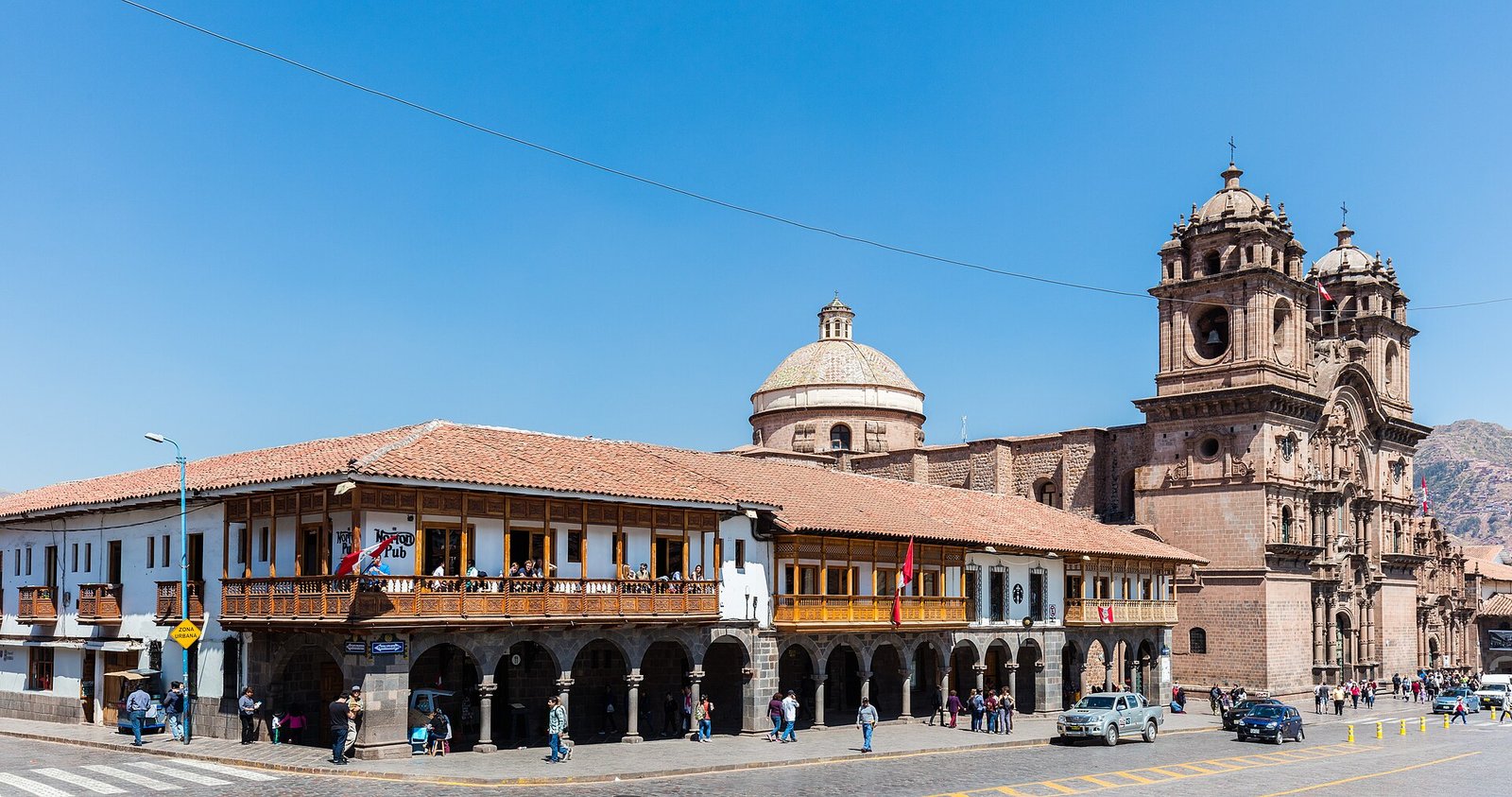
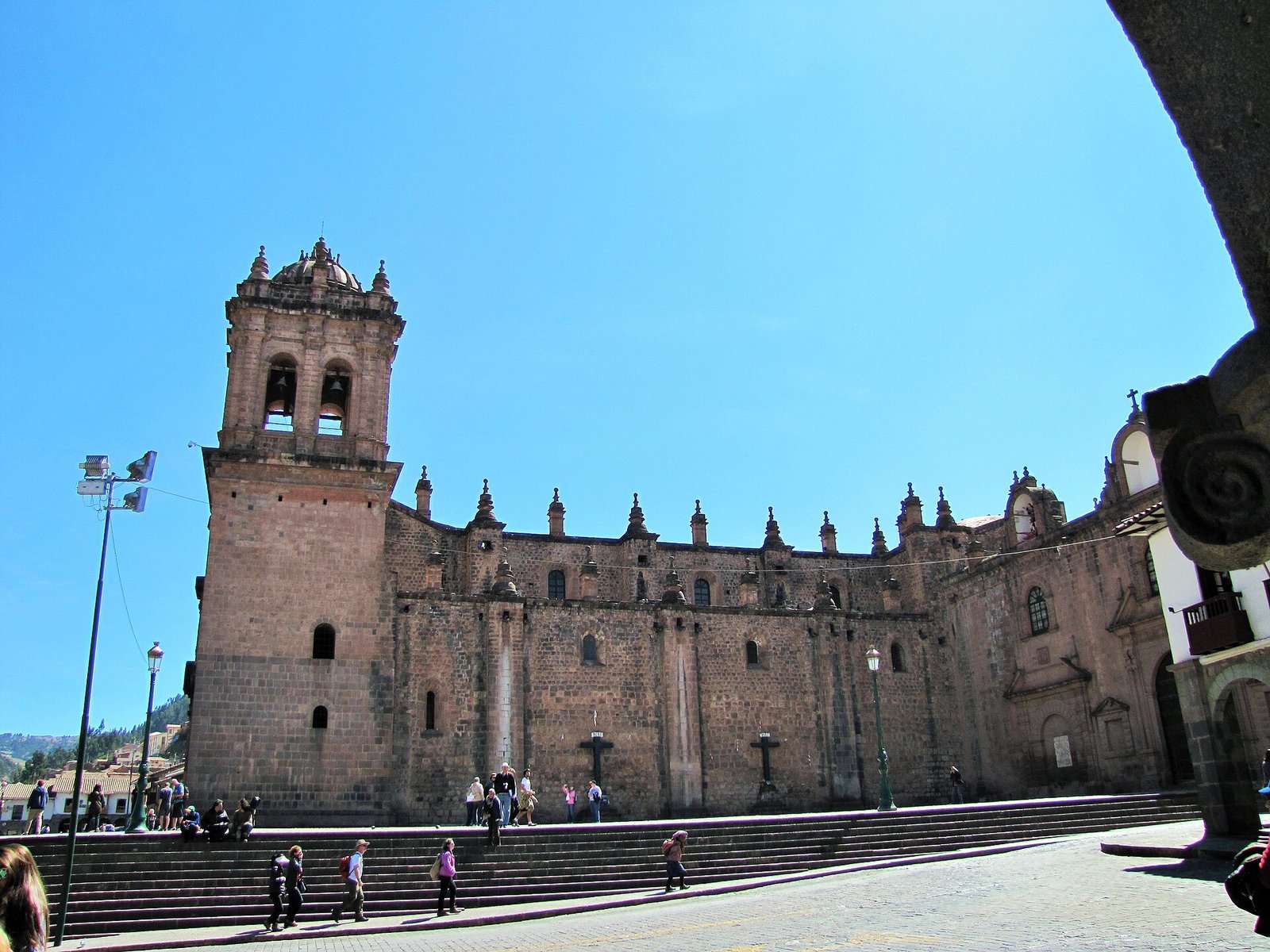
The Dominican church and convent were established on the former Inca religious site after the Spanish invasion. This was a transformation of meaning and authority as well as architecture. The visible relationship deserves a more thoughtful explanation than a simple claim that two cultures blended without conflict.
Earthquakes, survival and restoration
Cusco’s major earthquakes and subsequent repairs shaped this complex, as they shaped other buildings in the city. The visible fabric has a history of survival and intervention. Do not interpret every contrast in material as evidence that one whole building is untouched while another is entirely modern. Ask which parts are original, altered or restored.
Three names to clarify before buying a ticket
Visitors may encounter Qorikancha, Santo Domingo and the Qorikancha site museum in different descriptions. The museum beneath the esplanade is not simply another name for the entire monument. Confirm which entrance and spaces your ticket or guided service covers. This small clarification can prevent a disappointing mismatch between what you expect and what you actually visit.
| Focus | What it adds | Keep in mind |
|---|---|---|
| Qorikancha | Inca religious complex and surviving stonework | Confirm the monument entrance |
| Santo Domingo | Dominican church and convent history | Check which spaces are open to visitors |
| Site museum | A separate museum beneath the esplanade | Do not assume its ticket covers the whole complex |
A useful way to structure the visit
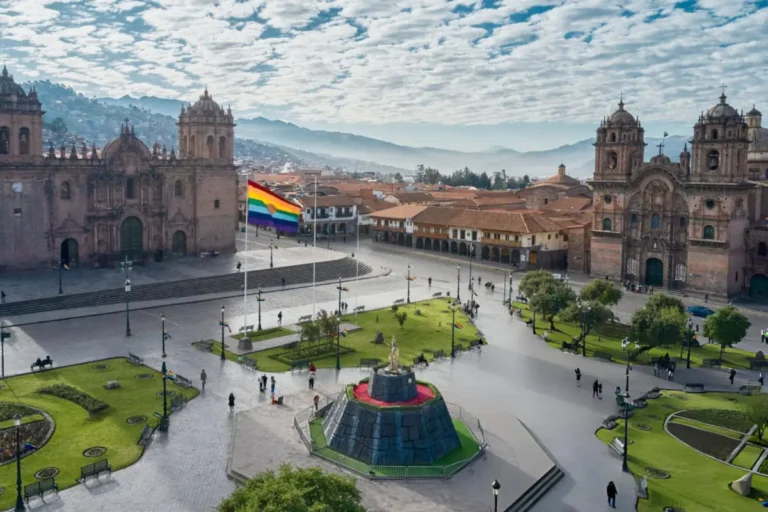
Start with the overall setting, then concentrate on a few pieces of masonry and their relationship to the later architecture. Finish by looking outward toward the surrounding city. Photographs can help compare the wide view and close detail, but follow current restrictions inside and never touch a surface simply to demonstrate how closely stones fit.
Connect the city with its wider landscape
Qorikancha provides context for discussions of Cusco’s sacred geography. A later visit to Sacsayhuaman or Q’enqo can then become more than a collection of unrelated ruins. These are editorial connections, not proof that every proposed ritual relationship has been established. Choose a guide who separates visible evidence from interpretation.
Frequently asked questions
Does a ticket to the site museum cover all of Qorikancha?
Do not assume it does. Confirm the exact spaces and entrances covered by the ticket.
Can I visit with the cathedral on the same day?
A city itinerary can include both, allowing time for separate visits and current opening arrangements.
Why are two architectural traditions visible together?
The Dominican complex was established on the Inca religious site after the Spanish invasion. The setting preserves evidence of that transformation.
Sources and further reading
- MINCETUR: Qorikancha archaeological complex MINCETUR Accessed
- MINCETUR: Qorikancha site museum MINCETUR Accessed