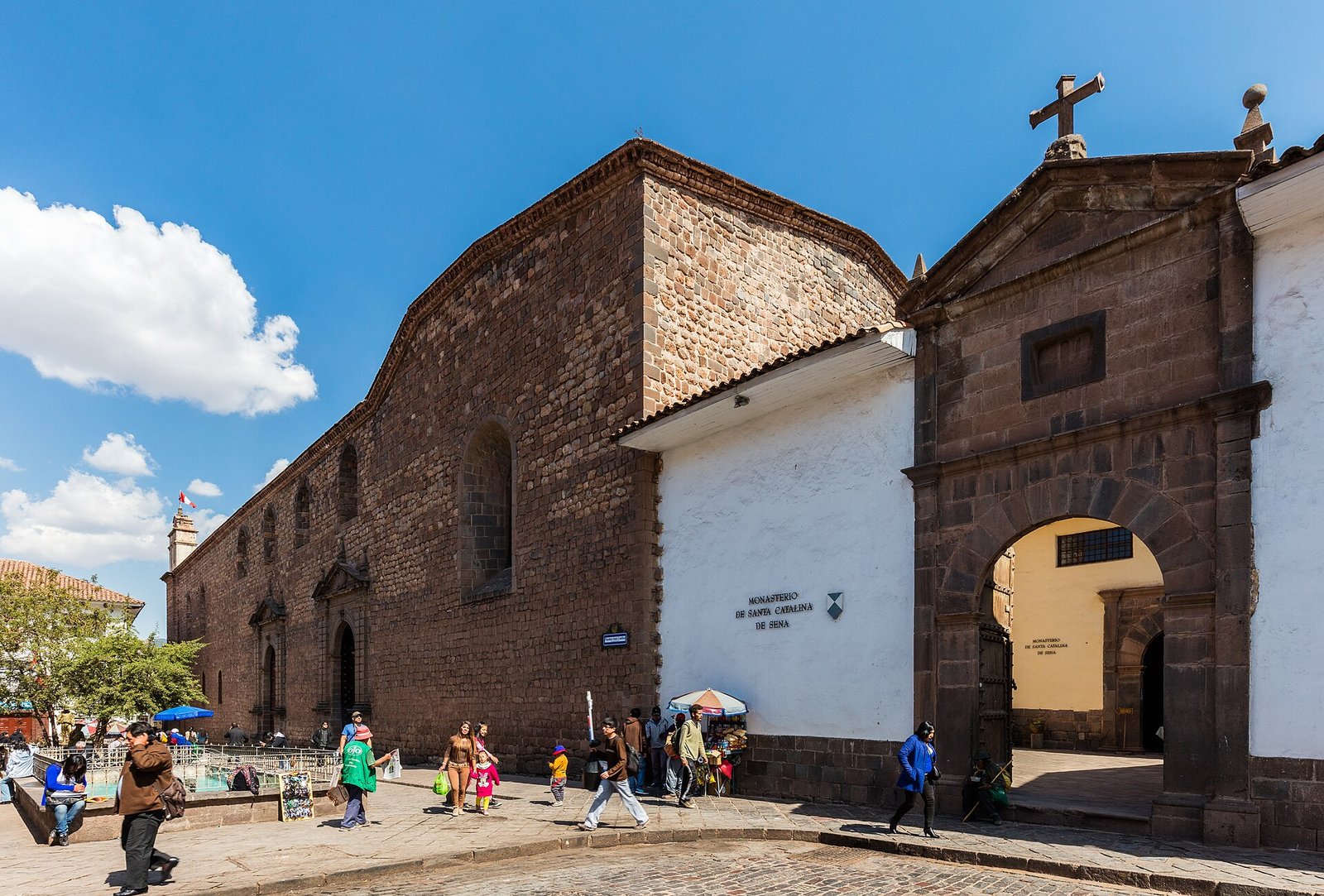

What is the best way to understand Chinchero?
Make room for both the archaeological landscape and the living textile tradition. Chinchero’s Inca terraces and later church share the town with working weavers and families. Ask who made a textile and how, then allow enough time to see the place beyond a shopping stop.
Chinchero is easy to describe as a textile stop. It is harder, and more rewarding, to see the whole place. The town’s weaving knowledge lives alongside Inca terraces, stonework, a later church and a highland farming landscape. The result is a layered destination where craft is part of contemporary life, not simply a performance arranged for visitors.
Begin with the setting
Chinchero sits higher than many familiar Sacred Valley stops. Cusco’s Culture authority gives the archaeological park an average elevation of about 12,300 feet (3,750 m). That number describes the park, not how every visitor will feel. Give yourself time to adjust to the altitude and to walk at your own pace.
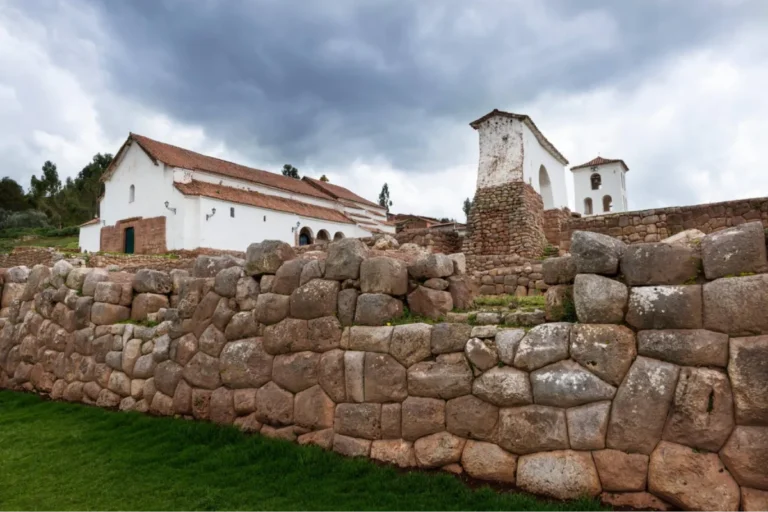
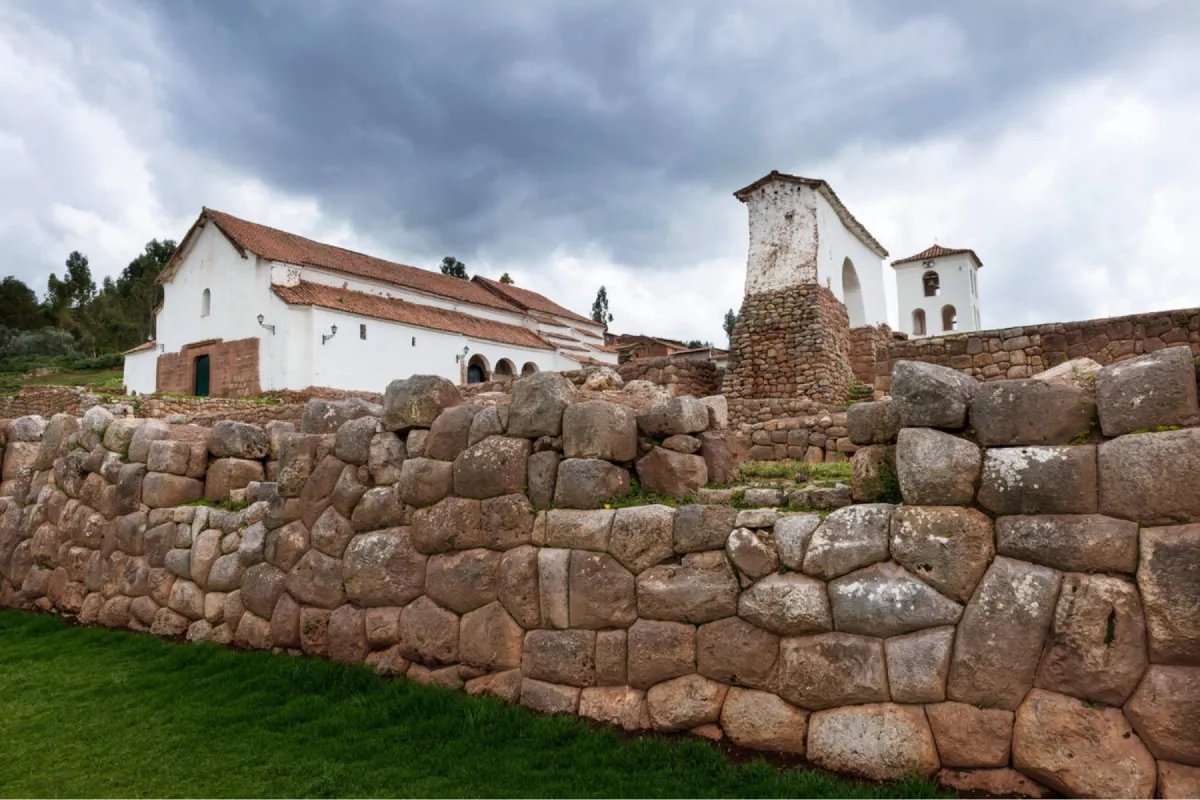
The authority traces occupation to the Killke period before the Inca and associates the Inca palatial complex with Túpac Yupanqui. The archaeological spaces, terraces and town therefore do not belong to one moment in history. Look at the changes of material and use as you move through the site.
Stone, terraces and church
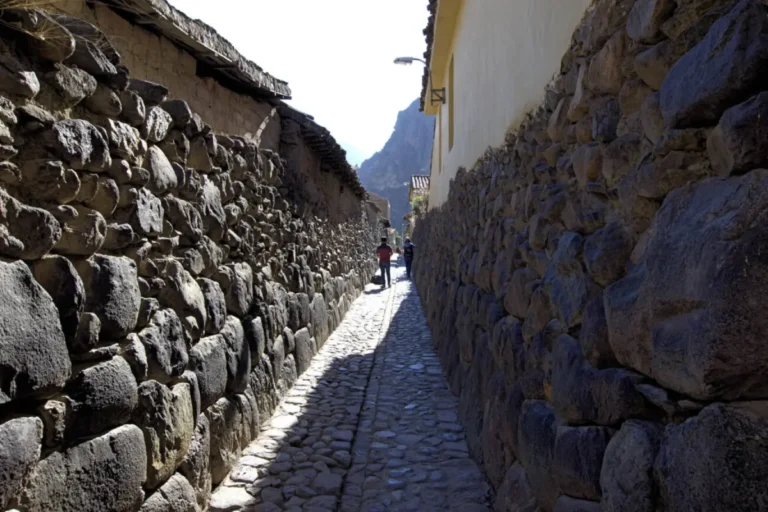
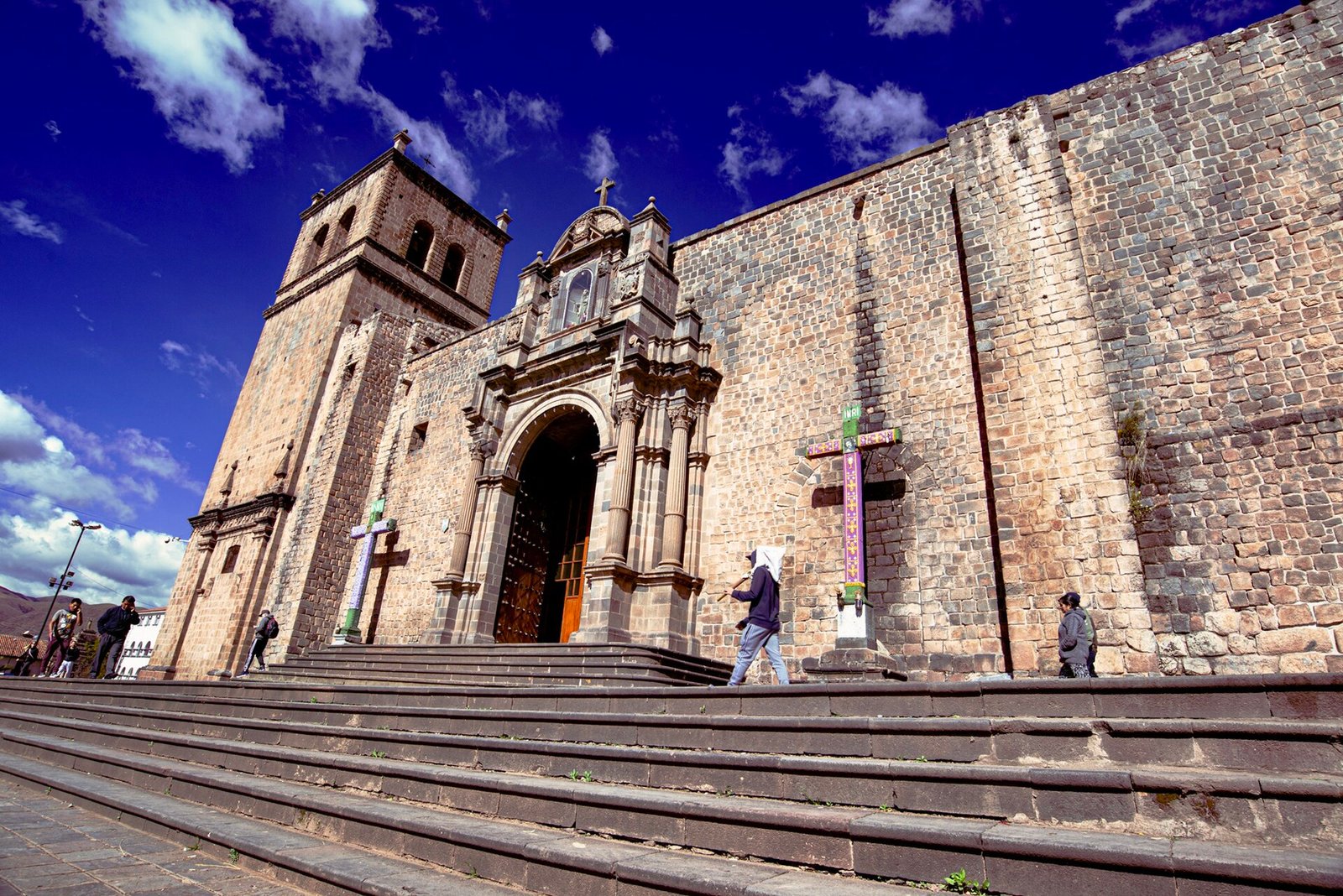
The town’s later religious architecture stands in conversation with earlier Inca foundations. Avoid treating that contrast as a neat replacement story. Different generations have adapted the same place. Follow the approved visitor route, protect the stonework and check any restrictions on photography inside sacred buildings.
Textiles are knowledge, not decoration
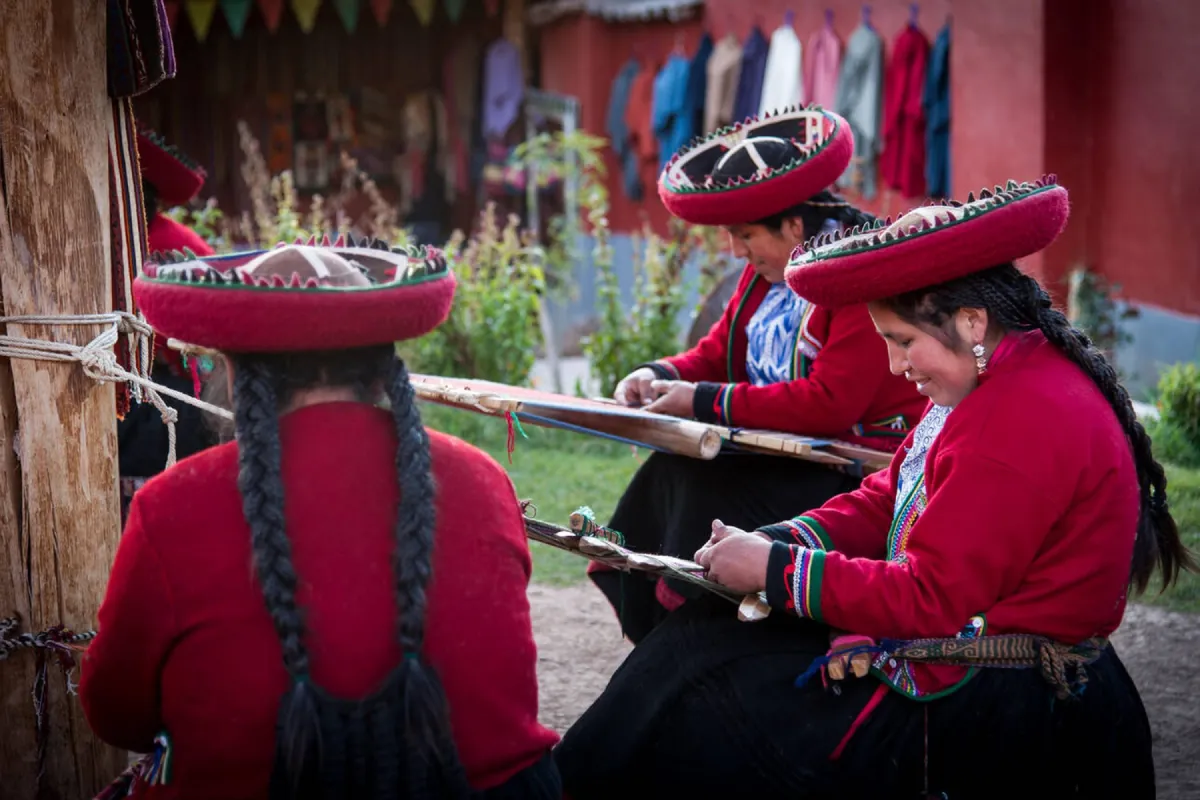
Weaving involves decisions about fiber, color, pattern and time. PROMPERÚ describes community experiences in Chinchero where visitors can learn about ancestral loom techniques. A respectful visit makes space for the person doing the work: ask which steps are shown, which materials are used and whether photographs are welcome.
A short demonstration offers a beginning, not mastery of a tradition. If you buy something, consider who made it and how it is priced. The best takeaway may be a clearer sense of the skill involved rather than a claim that every pattern has one universal meaning.
Plan Chinchero without rushing
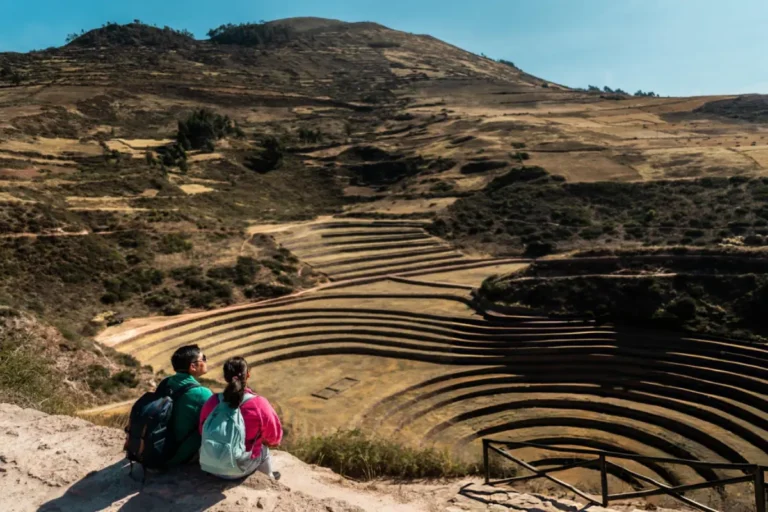
Choose whether archaeology, weaving or the landscape is your main interest, then give that interest sufficient time. The road connection makes Chinchero easy to include in a valley route, but it deserves more than the minutes left over between other stops. Moray offers a related conversation about agricultural landscapes, while the Sacred Valley gives the wider geographic context.
Check the archaeological park’s current visiting rules with Cusco Culture. Weather, transport and textile-center availability can change. The town remains a community even when a visitor itinerary is tightly timed.
Questions that make a textile visit more useful
Begin with the fiber and ask how it was prepared. Then ask about dyeing, the loom and the time involved in producing the piece. A maker may explain a pattern through a personal or community tradition; do not assume that one explanation applies to every textile in the Andes. Buying directly can be meaningful when the origin and terms are clear.
| Focus | What to consider | Practical choice |
|---|---|---|
| Fiber | What material is used? | Do not infer composition from softness alone |
| Color | How was the yarn dyed? | Ask rather than assuming all dyes are natural |
| Making | Who produced this piece and where? | A demonstration and a finished product may have different origins |
Questions to carry forward
Is a textile demonstration the whole of Chinchero?
No. Weaving is one living part of the town, alongside its archaeological park, church, farming landscape and present-day community.
Is Chinchero at a higher elevation than Cusco?
The Culture authority lists the archaeological park at an average 12,300 ft (3,750 m). Compare that figure with your own route and allow time to adjust.
Sources and further reading
- Cusco Culture: Chinchero Archaeological Park Cusco Culture Accessed
- PROMPERÚ: Sacred Valley communities PROMPERÚ Accessed