
What does ayni mean for understanding the Andes?
Ayni refers to reciprocity: continuing relationships of exchange and mutual obligation. It is a useful starting point for learning about Andean community life, but it should not be used to portray every community as identical or the Inca Empire as a society without inequality.
A journey through Peru becomes richer when the landscape is more than scenery. A water channel, a cultivated terrace or a community celebration can open questions about relationships between people and place. Understanding those relationships begins with listening and careful language, not with a slogan that divides the world into two opposite kinds of people.
Begin with reciprocity
The Smithsonian’s National Museum of the American Indian describes ayni as an ongoing exchange of comparable work or goods in Andean communities. The concept predates the Inca Empire and remains relevant today. That continuity is important, but it does not mean that every practice or community has remained unchanged over centuries.
A landscape can carry meaning
Sacred relationships with places, materials and routes were part of Inca life. Mountains, water and stone should therefore not be treated only as engineering obstacles or photogenic backgrounds. At the same time, a visitor cannot infer the precise meaning of a particular rock simply from its shape. Ask whose interpretation you are hearing and what evidence or living tradition supports it.
Do not confuse a community principle with an idealized empire
Reciprocity can be valuable without proving that an imperial society had no hierarchy, coercion or conflict. The Inca state expanded across diverse peoples. A useful account makes room for political power and differing experiences alongside achievements in water management, agriculture and roads. Admiration does not require erasing complexity.
Living cultures are not archaeological exhibits
Quechua- and Aymara-speaking people participate in contemporary life in many different ways. A person’s clothing, occupation or place of residence does not determine whether their culture is authentic. Avoid asking a community to perform a simplified version of the past for a visitor’s photograph. Listen to how people describe their own work and traditions.
| Focus | What it adds | Keep in mind |
|---|---|---|
| Ayni | A principle of reciprocity | A claim that all historical inequality disappeared |
| Sacred landscape | Relationships with particular places and materials | A fixed meaning for every stone or mountain |
| Living tradition | Practices maintained and adapted by people today | A performance frozen in the past |
What this changes during a visit
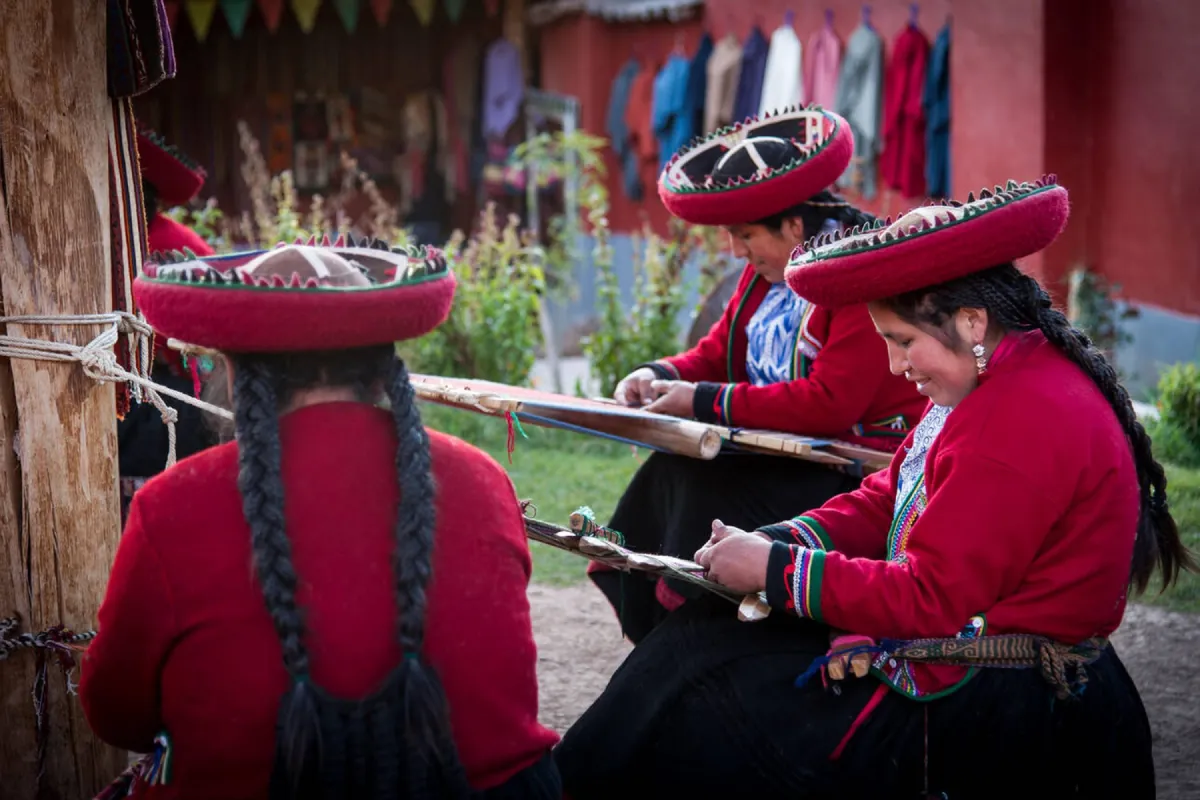
At a workshop, ask about the maker’s process and the conditions under which photographs are welcome. During a community activity, follow the host’s instructions rather than assuming that a public-looking gathering invites participation. Pay the agreed price for a service. Respecting reciprocity is not a reason to expect unpaid hospitality or to present an ordinary commercial exchange as an ancient ceremony.
Connect ideas with places carefully
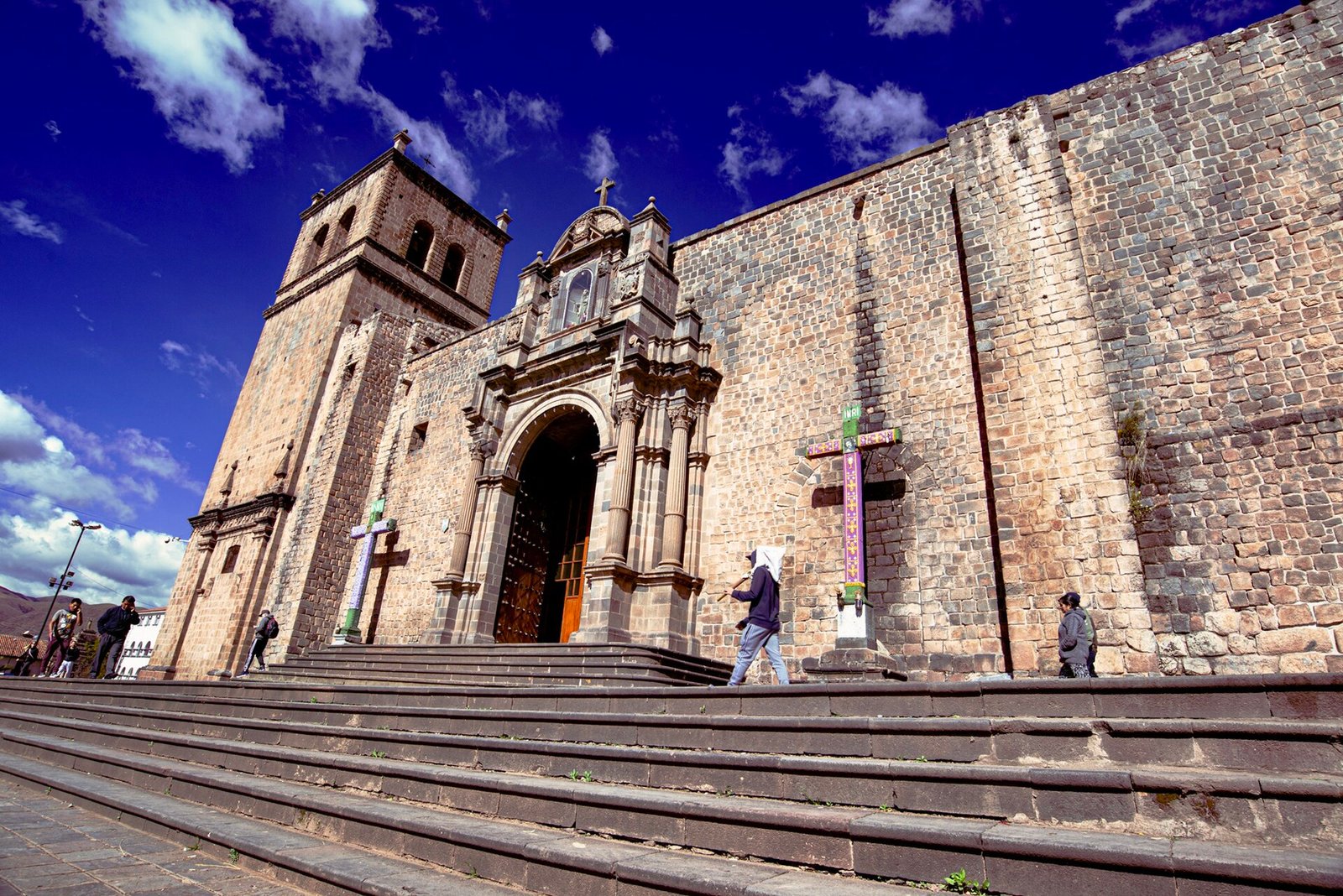
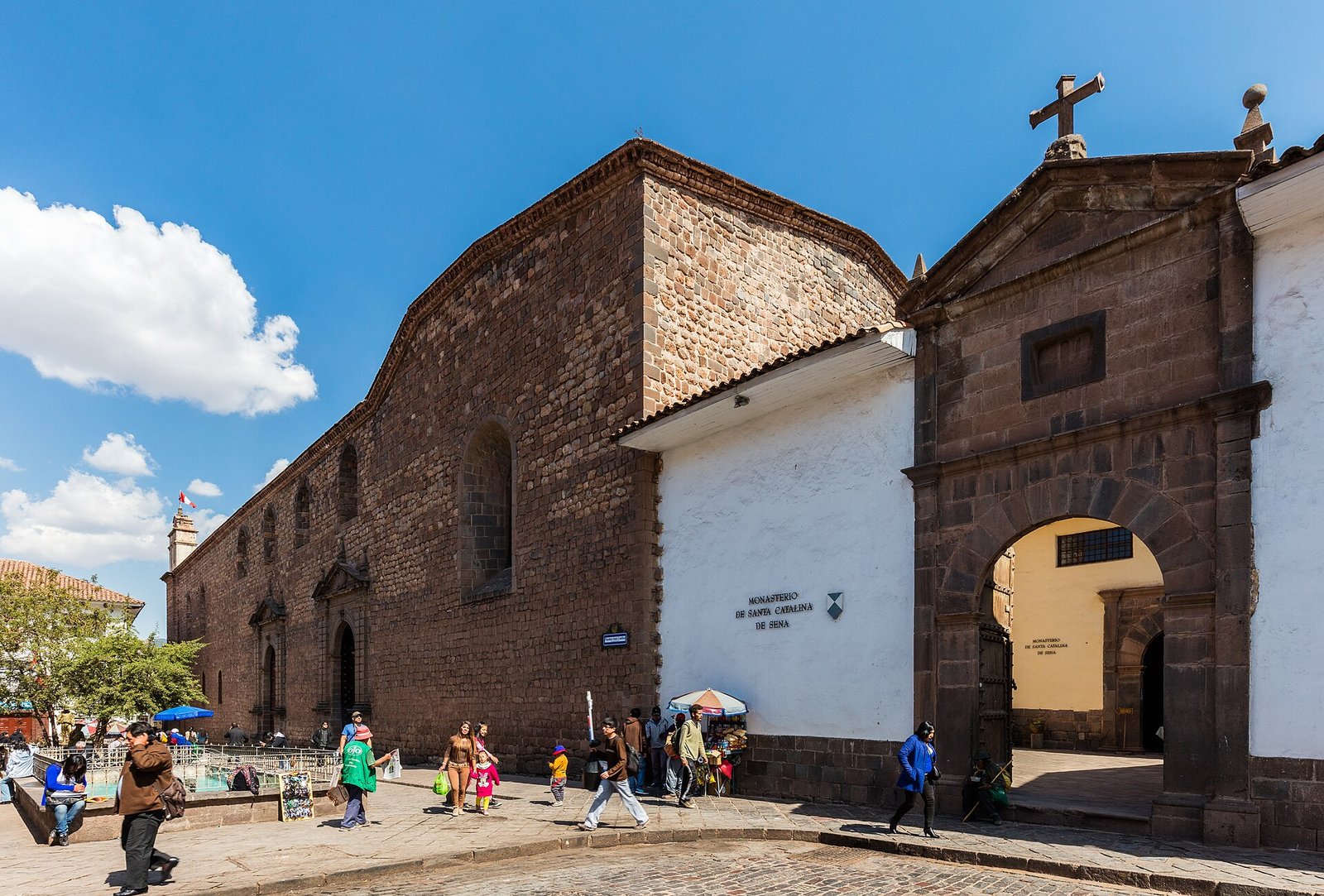
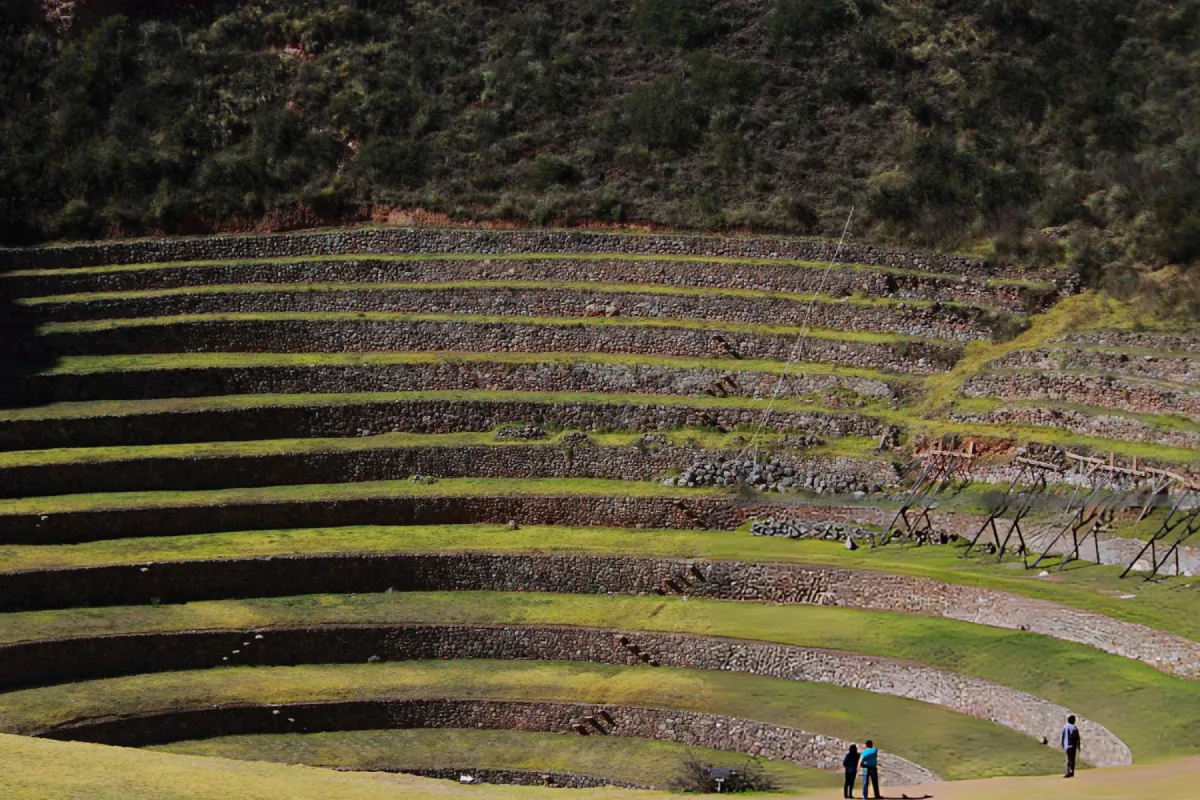
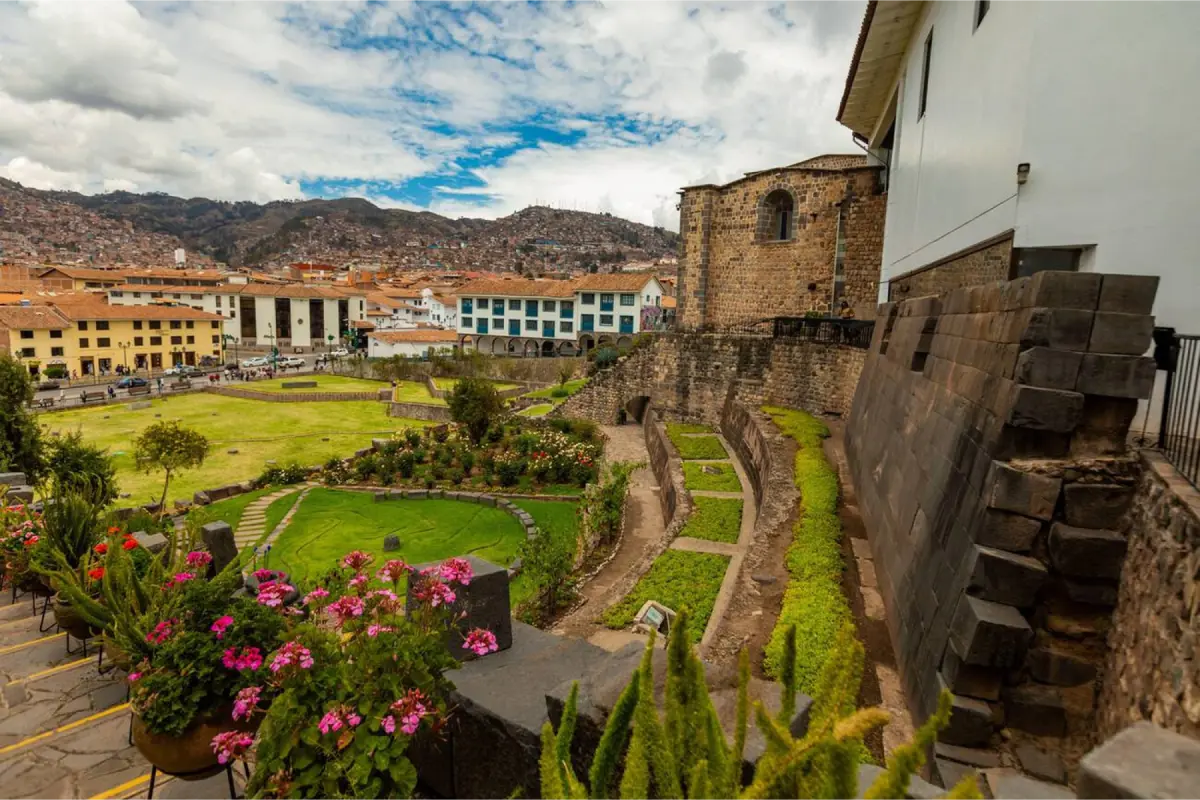
Tipón offers a way to think about water and the built landscape; Chinchero can introduce textile knowledge through the people who practice it; Qorikancha raises questions about sacred space and historical transformation. None is a complete explanation of “the Andean worldview.” Together they encourage better questions and a more attentive journey.
Keep history, interpretation and personal belief distinct
A guide may share archaeological evidence, local tradition and personal belief in the same conversation. All can be meaningful when clearly identified. Ask for a source when a factual claim matters, and avoid turning one person’s explanation into a statement about all Indigenous peoples. The most useful understanding remains open to further learning.
Frequently asked questions
Is ayni the same as buying a tour?
No. A commercial booking has its own agreed terms. Ayni describes broader reciprocal relationships and should not be used as a marketing label for every transaction.
Do all Andean communities share identical beliefs?
No. Histories, languages, experiences and practices vary. Listen to how people describe their own community.
Can visitors take part in any ceremony they encounter?
Do not assume participation is welcome. Ask the organizers or hosts and respect their answer and boundaries.
Sources and further reading
- Smithsonian National Museum of the American Indian: reciprocity Smithsonian National Museum of the American Indian Accessed
- Smithsonian: Inka road and religion Smithsonian Accessed
- Smithsonian: Inka history and adaptation Smithsonian Accessed