
What makes San Blas worth visiting?
San Blas combines a historic church known for its carved wooden pulpit with a hillside neighborhood of streets, workshops and everyday life. The neighborhood walk and church interior are separate experiences; confirm current church access before planning around the pulpit.
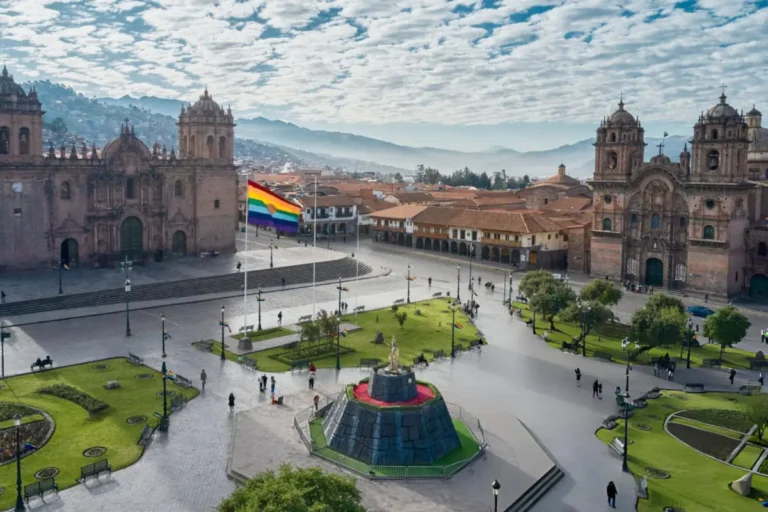
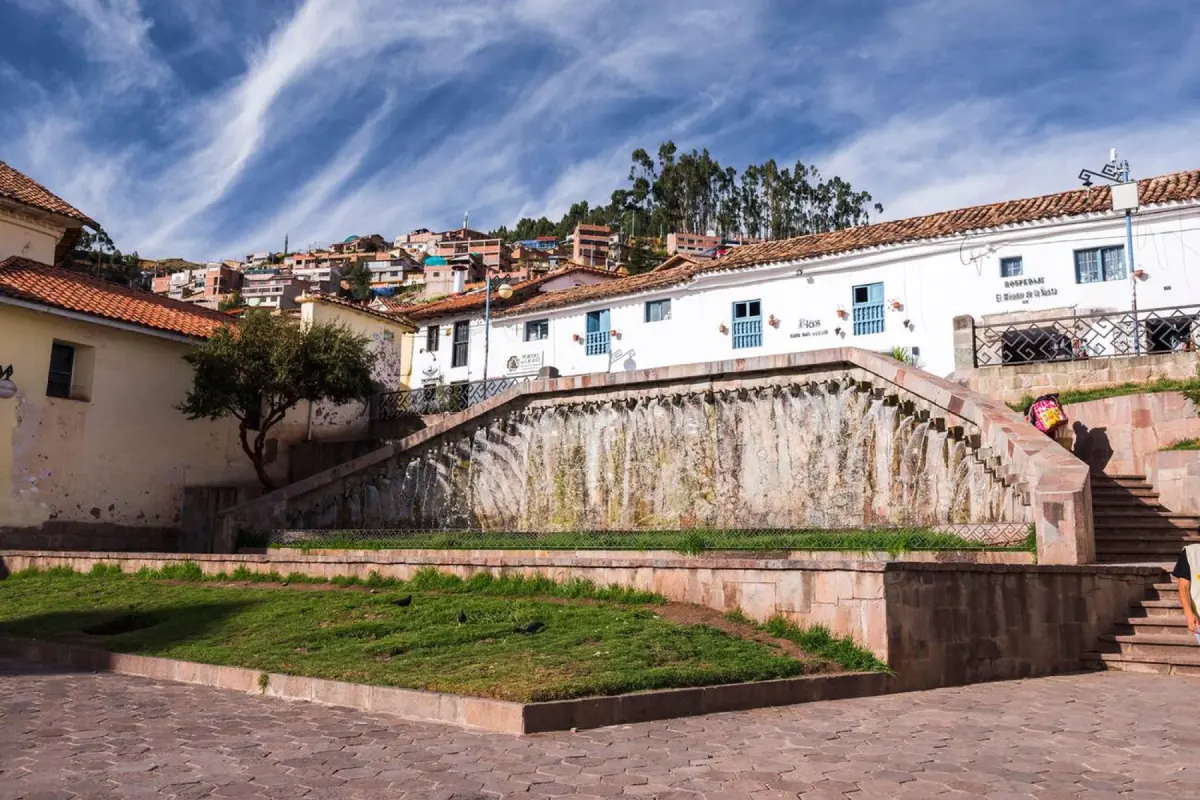
San Blas rewards a slower walk. The streets climb away from the main square, the scale becomes more intimate and the church meets a neighborhood rather than a monumental plaza. Its celebrated pulpit is one reason to come, but the surrounding workshops, façades and daily activity make the visit broader than a single artwork.
Find the right neighborhood
San Blas is its own historic neighborhood; it should not be confused with Santa Ana. The area is associated with the earlier name Toq’ocachi. On the approach, allow for sloping streets and uneven paving. A distance that looks short on a map can feel different when you stop frequently or are adjusting to Cusco’s elevation.
A modest exterior and detailed interior
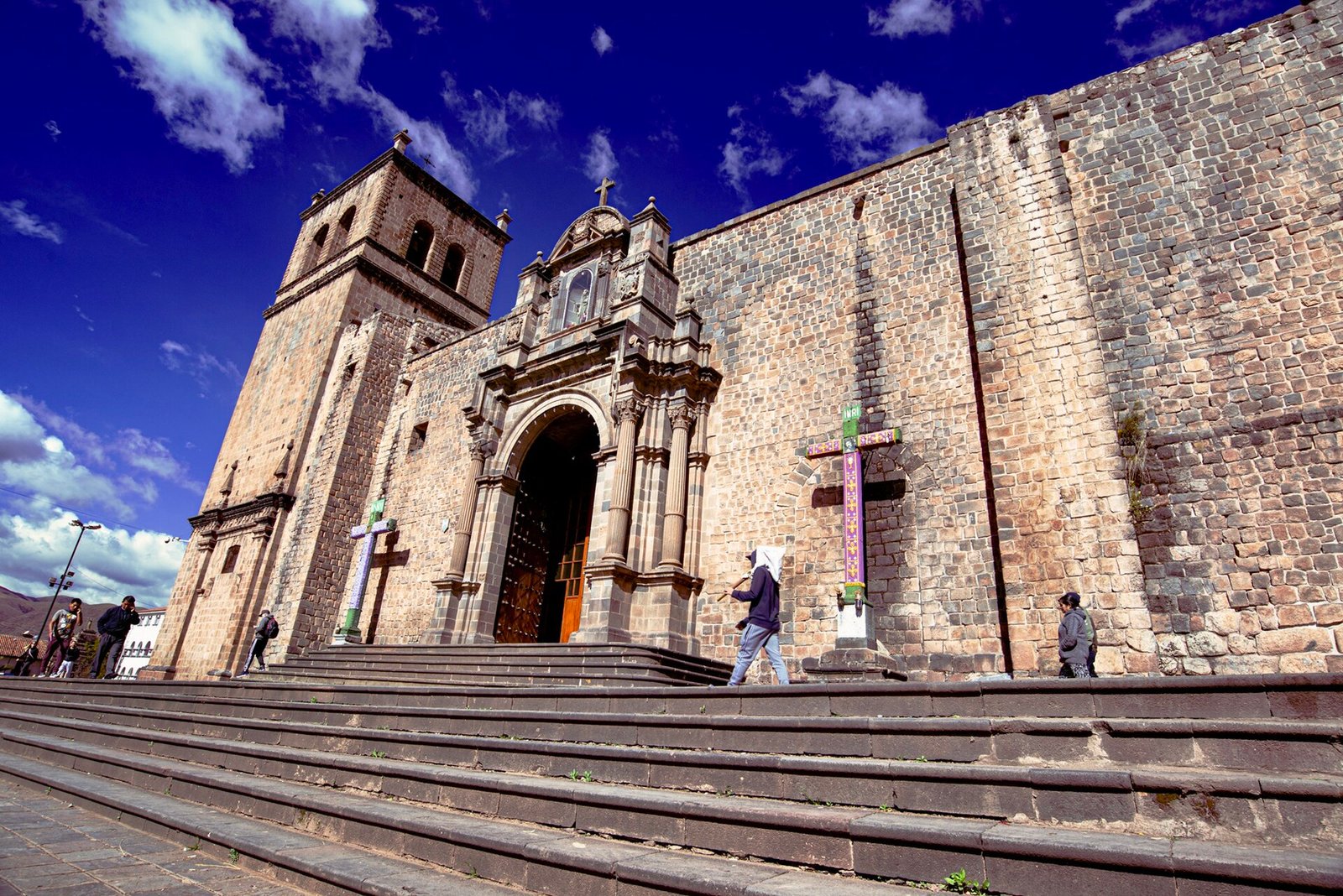
The church’s relatively restrained exterior makes its interior carving especially striking. Rather than using size as the measure of importance, look at the care given to wood, gilding and painted surfaces. Restoration and access conditions can change, so old descriptions of an open interior should not substitute for current information.
How to look at the pulpit
Think of the pulpit as a structure with several parts: support, speaking platform and canopy. Follow the carving between those sections. The interest lies in the integration of figures, ornament and function, not only in the density of decoration. Attributions and stories about its maker should be presented with their source rather than repeated as universally settled.
The neighborhood is not a stage set
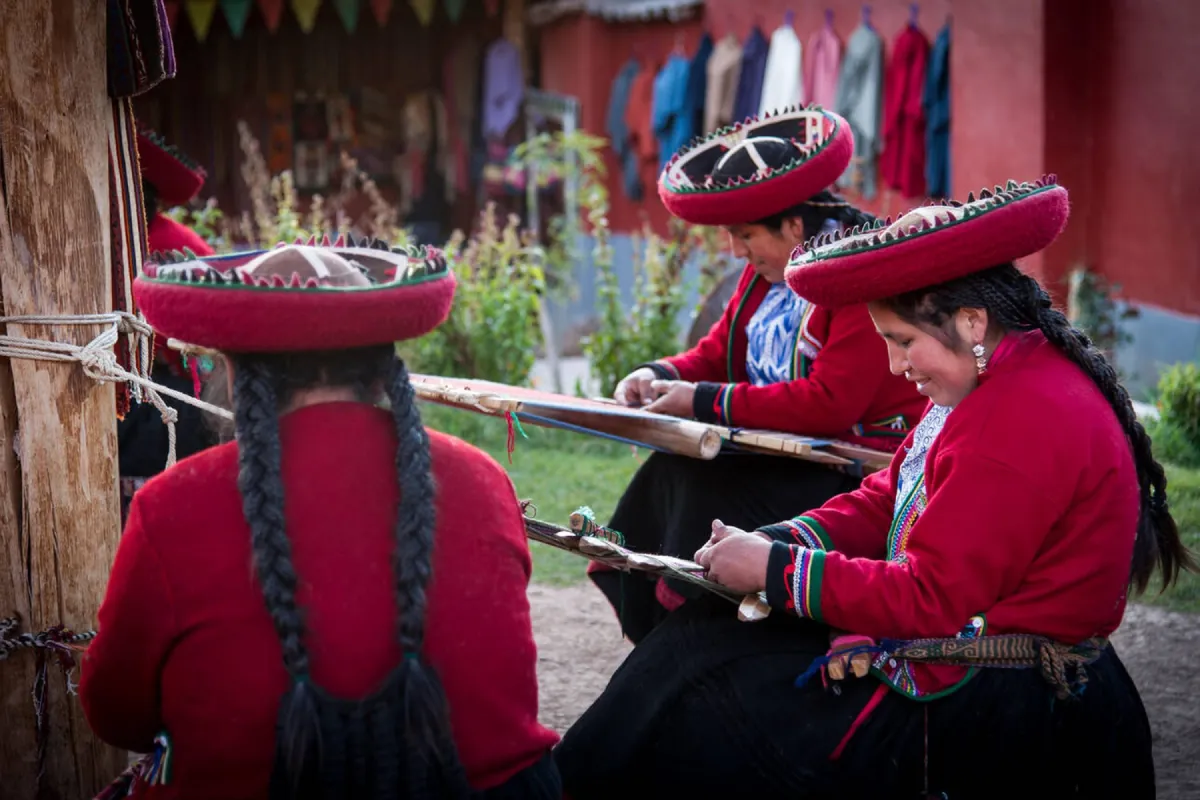
Workshops and galleries can introduce contemporary artistic work, but residents also use these streets for ordinary life. Ask before photographing people or entering a workspace. If you buy an object, a conversation about who made it, its materials and technique is more useful than assuming that every item displayed in the neighborhood has the same origin.
| Focus | What it adds | Keep in mind |
|---|---|---|
| Church | Carving, paintings and religious practice | Confirm admission and photography rules |
| Workshops | Materials, technique and contemporary makers | Ask before entering or photographing |
| Streets and square | Urban character and views | Allow for slopes and keep entrances clear |
Choose a small route instead of a checklist
A walk from the center to the San Blas square, time at a workshop and a church visit when available can make a coherent outing. Leave room to pause rather than adding every nearby viewpoint. If your main interest is religious art, compare the pulpit with the different scale of Cusco Cathedral; if it is craft, connect the visit with a considered textile experience in Chinchero.
What to confirm before you go
Check church opening and admission separately from the neighborhood, which remains a lived-in urban area. Ask about the route if steep paving or steps are a concern. Respect worship and any photography restrictions. No purchase, performance or access to a private workshop should be implied merely because a travel article mentions it.
Frequently asked questions
Is San Blas in Santa Ana?
No. They are distinct neighborhoods of Cusco.
Can I see the pulpit from outside?
No. An interior visit is needed, subject to current opening and access conditions.
Is every item sold in San Blas made there?
Do not assume that. Ask the seller or maker about origin, materials and production.
Sources and further reading
- MINCETUR: San Blas church MINCETUR Accessed
- MINCETUR: San Blas neighborhood MINCETUR Accessed