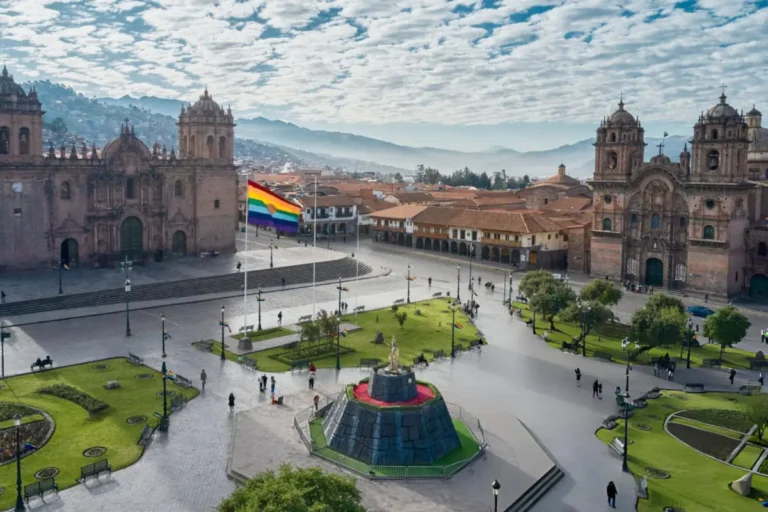

Which Cusco churches should you visit beyond the cathedral?
Choose by interest and neighborhood: La Merced and San Francisco for religious art and convent settings; Santa Clara and San Pedro for the western historic center; Belén, Santiago and Almudena for parish life beyond the main square. Confirm interior access individually rather than assuming one ticket covers them all.
Cusco’s churches are easier to understand as parts of neighborhoods than as a list of monuments to complete. Some hold museum collections, some remain primarily parish spaces, and one former seminary now forms part of a hotel. A useful route respects those differences and leaves room for the city between the doors.
La Merced: a religious complex near the center
La Merced adds a convent setting and religious art to the streets close to the main square. Its history includes reconstruction after earthquakes, so the present complex should not be treated as a single untouched early-colonial building. Before visiting, distinguish the church from any museum or convent route currently offered. A few carefully explained works can be more memorable than an inventory of valuables.
San Francisco: look beyond the austere stone
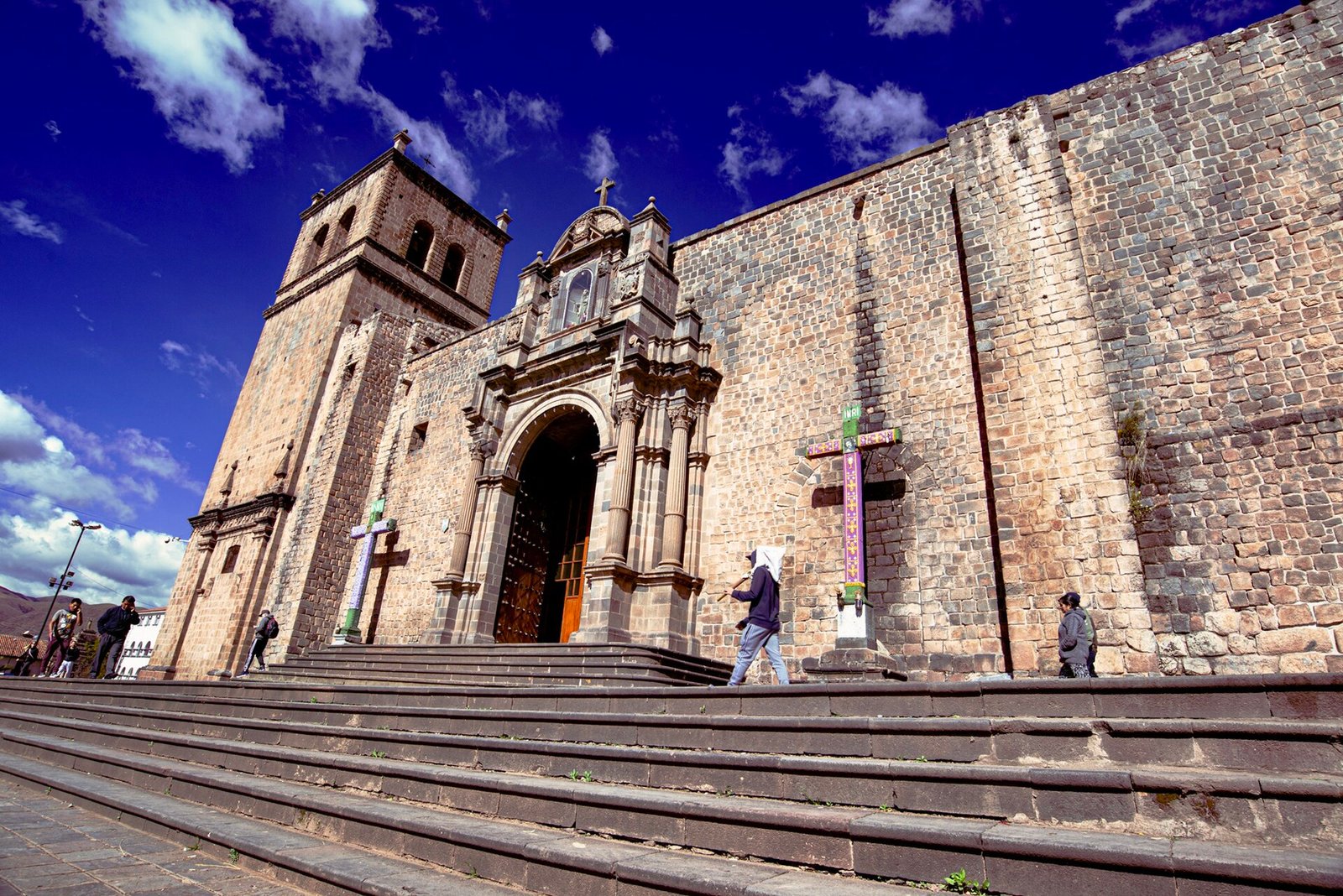
The church faces the plaza bearing its name. Its exterior gives a strong impression of masonry and mass, while the convent’s art offers another perspective. The large painting associated with the Franciscan order is often described through spectacular rankings; the more useful question is how its figures and organization communicate the order’s history. Ask which parts of the complex are included in the current visitor route.
Santa Clara: an exterior does not tell the whole story
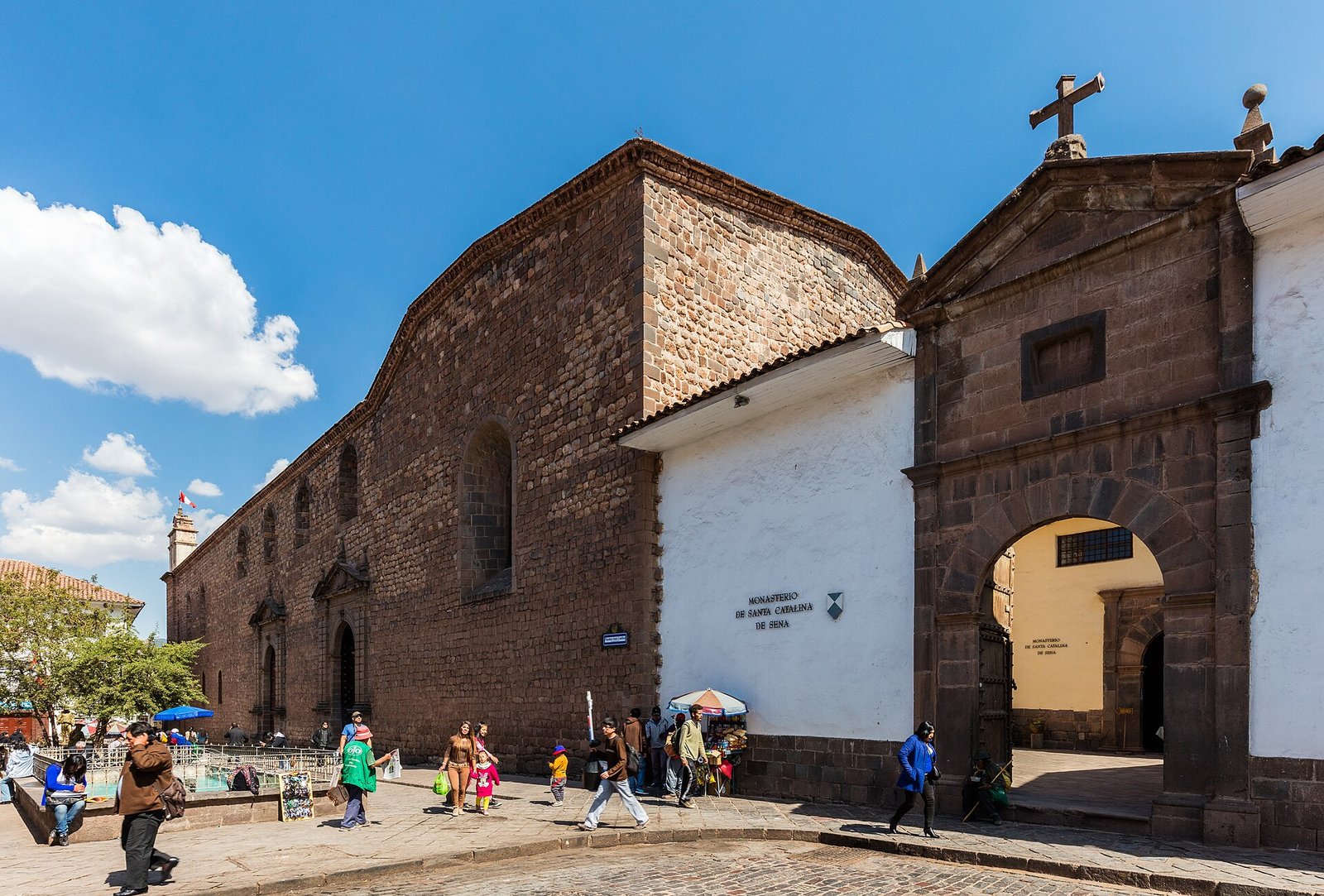
Near the western historic-center route toward San Pedro, Santa Clara’s restrained street presence contrasts with its decorated interior. The interior is known for gilded and mirrored altarpieces. The monastery remains a religious setting, so do not mistake an open church door for permission to enter private convent areas. The nearby Santa Clara arch is a different monument with its own history.
San Pedro: more than a landmark beside the market
San Pedro church and the market can be visited as different parts of the same urban area. The church’s history is linked with an earlier hospital and later rebuilding. Its carved façade and interior woodwork deserve attention independently of a food or shopping stop. Its architecture records more than one phase of construction and repair; a single date cannot explain the whole building.
| Focus | What it adds | Keep in mind |
|---|---|---|
| Western historic center | La Merced, San Francisco, Santa Clara, San Pedro | Choose open interiors; leave time for the streets |
| Parish neighborhoods | Belén, Santiago, Almudena | Check local services and travel arrangements |
| Quieter central stops | Santa Teresa and Nazarenas area | Private religious or hotel areas require permission |
Belén: parish identity and devotion
Belén’s elevated setting and religious identity extend the story beyond the Plaza de Armas. Its Marian devotion is central to the way the church is understood locally. Approach it as a parish place, not simply another interior to photograph. Ask about access and any ongoing services, and give people space to use the church for its primary purpose.
Santiago: a different scale of church
Santiago offers a more modest architectural impression than the great central monuments. That does not make its parish history or devotional life less important. Local religious life includes the church’s connection with its neighborhood and the image of Santiago associated with Cusco’s religious celebrations. Do not assume a procession will occur on the day you visit; check the actual calendar.
Almudena: devotion, neighborhood and remembrance
Almudena lies beside the cemetery of the same name. Its history is associated with the devotion to the Virgin of Almudena and the patronage of Bishop Mollinedo’s circle. Keep a church visit distinct from a cemetery visit, and treat both with respect. A photograph of a religious image, funeral or person mourning requires particular sensitivity and permission.
Santa Teresa: a quieter stop near Saphy
Santa Teresa’s church and convent belong to another part of the historic center. The church is known for its altarpiece, paintings and later-seventeenth-century foundation. A walk past the façade can be worthwhile even when an interior is not open. Avoid presenting the convent as a public museum without confirming its current arrangements.
San Antonio Abad: historical name, changed use
The former seminary by Plazoleta Nazarenas is now part of the Monasterio hotel property. That current use changes the visitor question: the historical chapel and courtyards should not be advertised as an unrestricted public church circuit. Contact the operator about any access or experience offered. The historical institution and today’s working seminary must not be confused simply because they share a name.
Build two or three short visits, not one exhausting checklist
For a western historic-center walk, consider La Merced, San Francisco, Santa Clara and the San Pedro area, selecting interiors according to actual opening. For a quieter extension, investigate the parish settings of Belén, Santiago or Almudena with a local guide. Keep Nazarenas and Santa Teresa as a separate central walk if that suits your day. These are planning groupings, not a measured route or a guaranteed tour.
What makes the visit respectful
Ask about current services, admission and photography at each institution. Dress and behave appropriately for a place of worship. Keep entrances clear and do not follow a group into a restricted area. If art is your main interest, choose a guide who can explain the works rather than promising access to every room.
Frequently asked questions
Is there one ticket for all these churches?
Do not assume so. Confirm the exact coverage of any religious-circuit ticket and the current arrangements of each institution.
Can I enter the former San Antonio Abad seminary freely?
Its historical premises are now part of a hotel property. Ask the current operator about access; do not treat it as an unrestricted public monument.
Should I visit every church in one day?
A smaller selection usually allows more useful attention to art, architecture and neighborhood life. Choose according to your interests and current access.
Sources and further reading
- MINCETUR: La Merced MINCETUR Accessed
- MINCETUR: San Francisco MINCETUR Accessed
- MINCETUR: Santa Clara MINCETUR Accessed
- Belmond: current Monasterio property and chapel Belmond Accessed
Photography credits
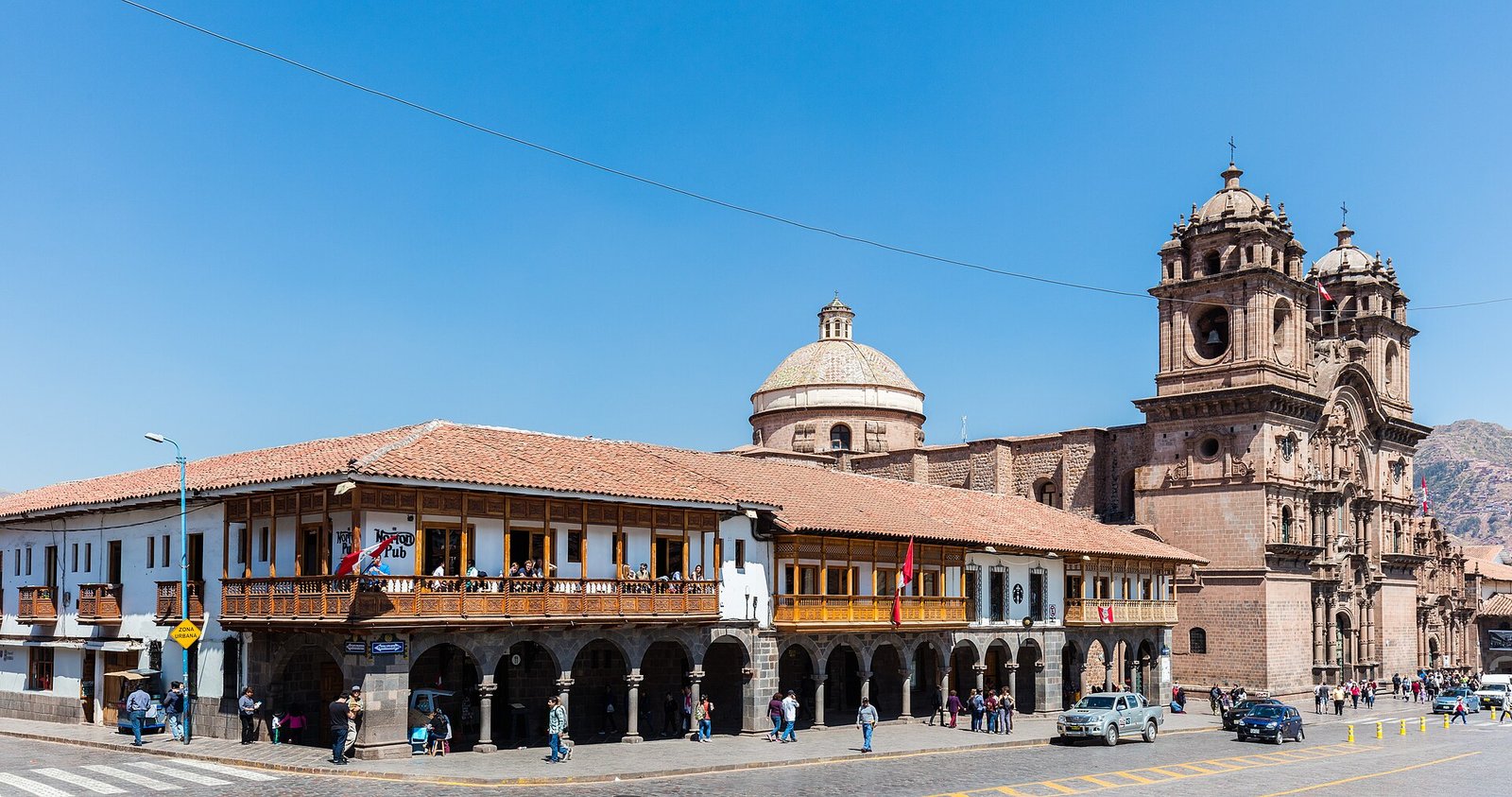
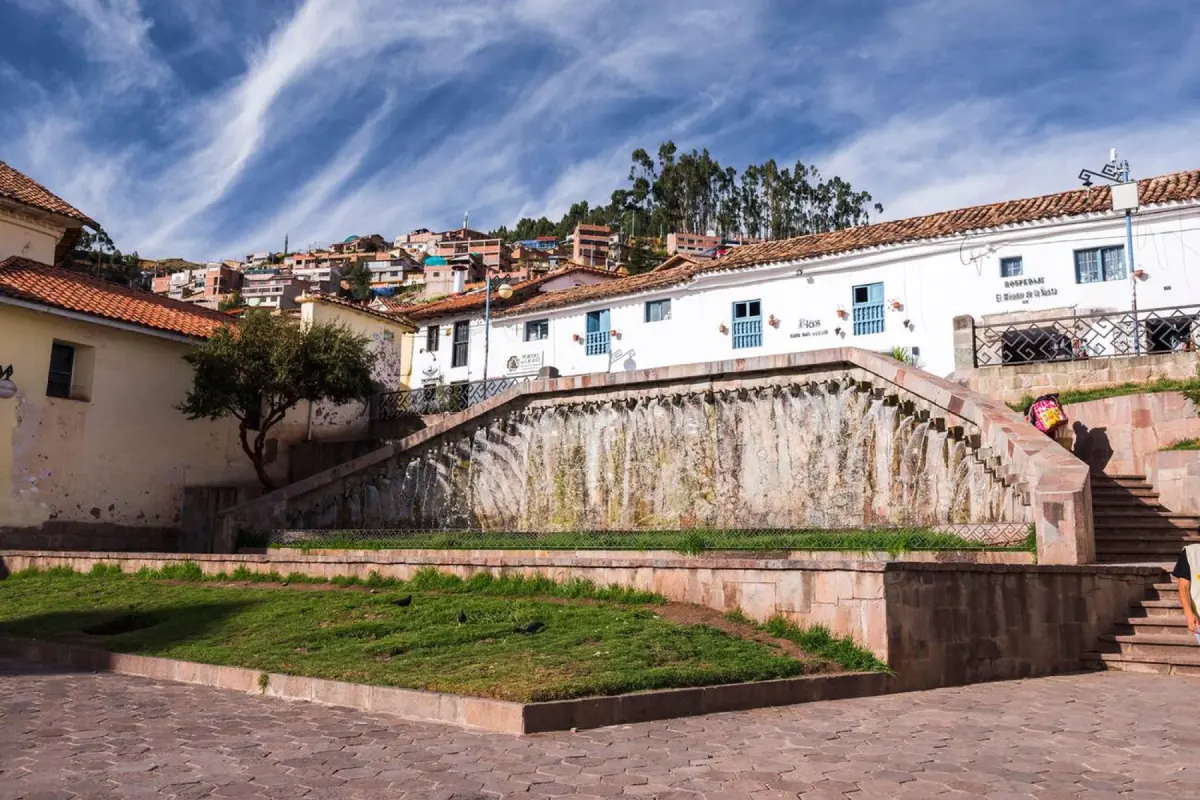
Iglesia San Francisco, Cusco, Peru.jpg by Miguel Francisco Rueda Ñañez · CC BY-SA 4.0; Iglesia de la Compañía de Jesús, Plaza de Armas, Cusco, Perú, 2015-07-31, DD 58.JPG by Diego Delso · CC BY-SA 4.0. Display sizes may be reduced by WordPress; photographs retain their original attribution.