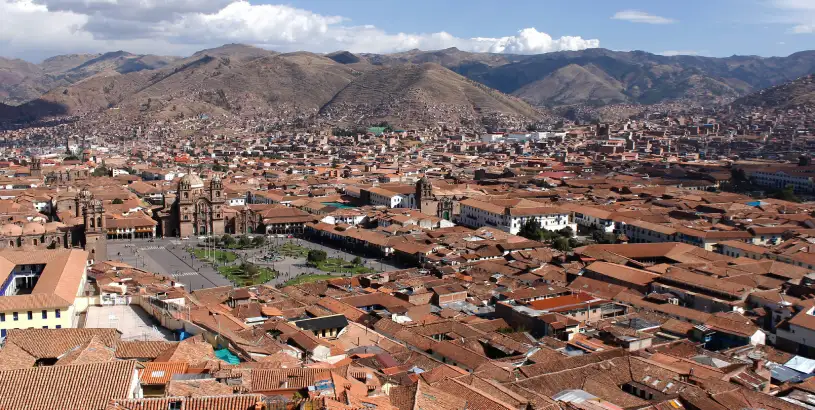

What should you know?
The Sacred Valley is a landscape of distinct places, not a single stop. Pisac, Urubamba and Ollantaytambo sit within the wider valley described by Peru Travel. Choose a focus—archaeology, everyday life or landscape—and leave room for the connections between places.
The terraces catch your eye first. Stay with the view a little longer and another story appears: towns, cultivated land and the river connecting them. That wider relationship is a useful starting point for exploring the Sacred Valley.
Start with the shape of the valley.
A photograph of terraces can make a place look self-contained. Pull back and the connections become more interesting: farmland, settlements and the river share the same landscape. Thinking at this scale helps you choose which places belong in the same conversation.
Look for relationships, not a checklist
Ask how a site relates to its surroundings. Where does the cultivated land begin? What do you notice from the town that you cannot see from the viewpoint? These are useful questions even before you decide which archaeological places to visit.
Give each place a reason to be in your plan.
Peru Travel describes a valley connecting places including Pisac, Chinchero, Maras, Urubamba and Ollantaytambo. Their names may appear together in a travel plan, but that does not make their stories interchangeable.
If archaeology draws you
Begin with a site you want to understand and allow time for interpretation. If everyday culture is your priority, consider the town and its present-day life alongside the archaeological landscape. A shorter list can leave more space for both.
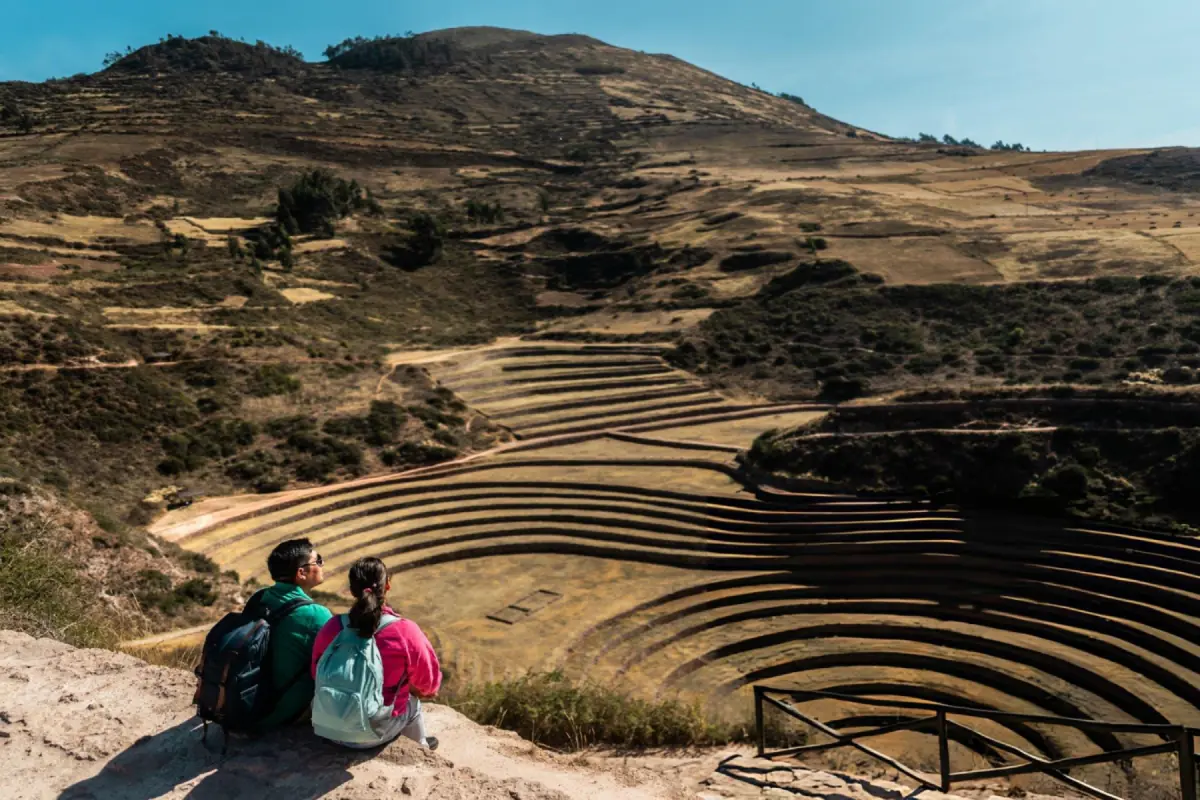
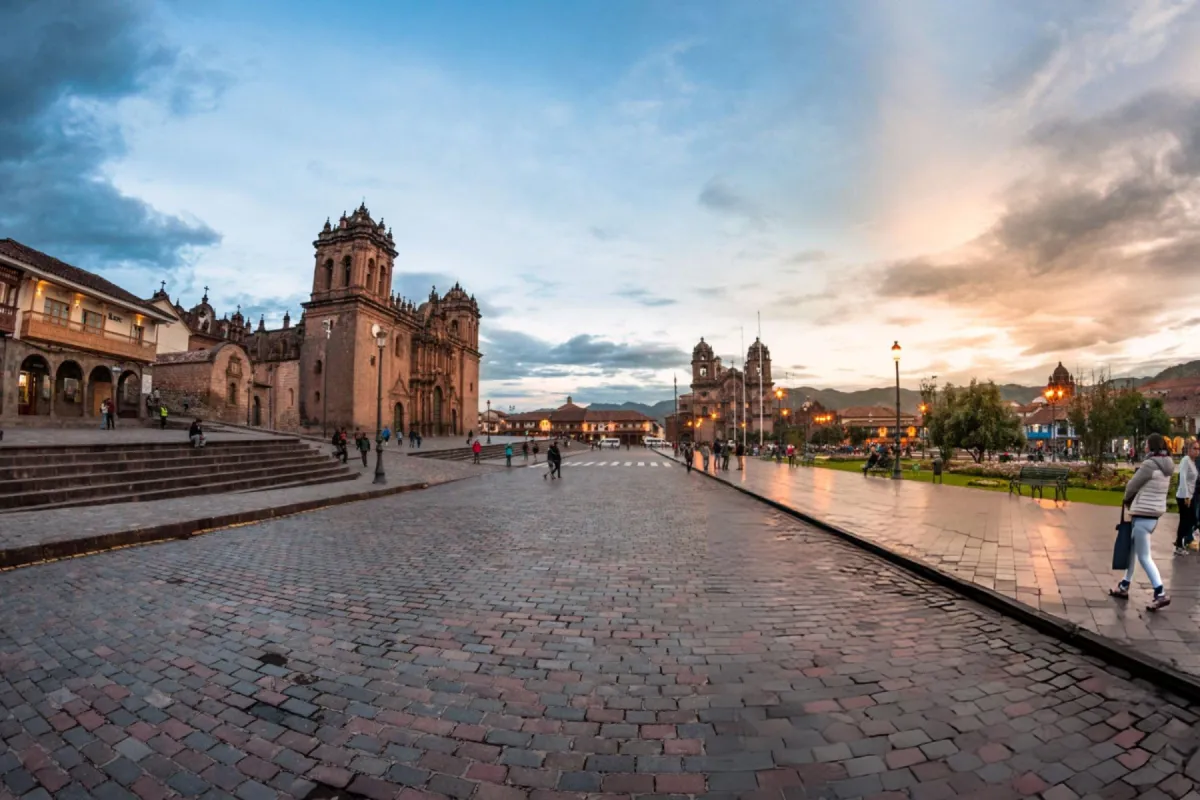
Move between the wider setting and the individual places within it.
Move between the wide view and the detail.
A wall, a field and a textile ask you to look at different scales. Give each its own attention. A landscape photograph provides context; a close photograph records a specific encounter. Captions should explain which place or activity the image actually shows.
Let the photograph stay truthful
A beautiful image from one community should not stand in for another without explanation. Ask before photographing people and respect a decision not to be photographed. The encounter matters more than completing an album.
Connect the valley to the rest of your journey.
Consider where you arrive from and where you want to go next. The valley, Cusco and Machu Picchu answer different interests; adding them together requires a discussion about transfers, time and pace.
Before fixing the order, read what elevation figures do and do not tell you. Then explore a more considered approach to Cusco. Neither replaces advice about your own travel needs, but both help you ask more useful questions.
The place in context
© OpenStreetMap contributorsThis map is for geographical orientation. It does not define a visitor circuit, transport route or current access conditions.
Location reference; this map does not define an approved route.
| Your starting point | What to explore next |
|---|---|
| A place that interests you | Which aspect of its landscape, history or everyday life would you like to understand? |
| Your time and pace | What would you like to spend more time on, and what could you leave out? |
| Practical arrangements | Which current access, transport and service details need confirmation for your dates? |
Sources and further reading
- Peru Travel · Places in the Sacred Valley PROMPERÚ · Peru Travel Accessed
- OpenStreetMap · location reference OpenStreetMap contributors