
Is Pikillacta an Inca site?
Pikillacta’s principal urban remains belong to the Wari tradition, which preceded the Inca Empire. Its planned streets and compounds make it an important counterpoint to the Inca sites usually visited around Cusco.
Pikillacta changes a common assumption about Cusco: not every major archaeological place here was built by the Incas. Its Wari urban remains belong to an earlier history. Long lines of walls and streets invite you to think about planning, controlled movement and the organization of a settlement.
A city organized in lines
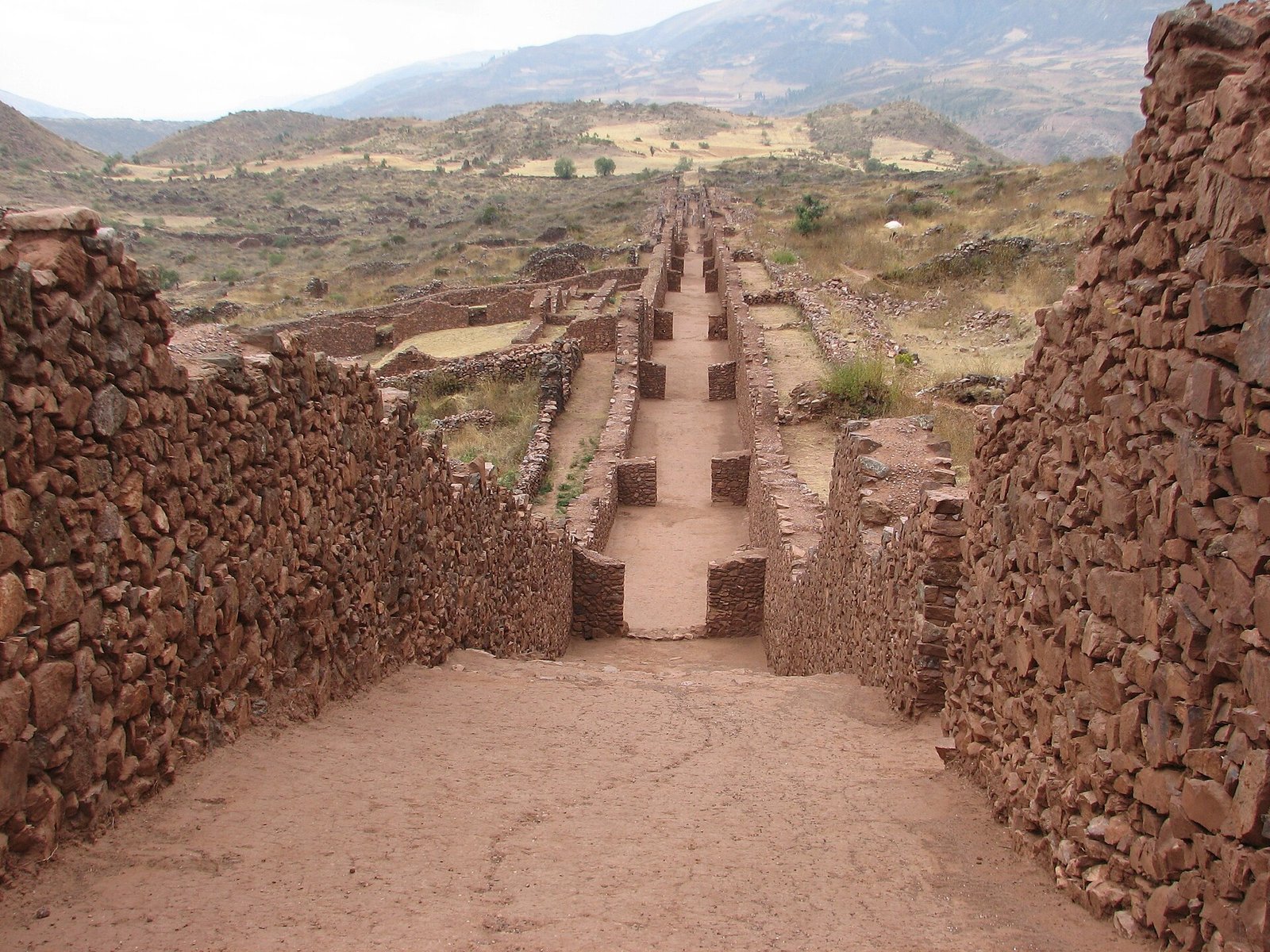
The experience begins with layout. Straight streets and enclosed compounds create a different impression from the terraces and fitted masonry associated with many Inca visits. The culture authority identifies rectangular planning and construction using stone and earth. Let those contrasts guide your attention.
Why the Wari distinction matters
Calling every archaeological site near Cusco “Inca” hides the region’s longer history. Pikillacta belongs within Wari history, with administrative, ceremonial and residential interpretations. A visit becomes more useful when those possibilities are explained within the correct cultural setting.
Walk a line, then look across the plan
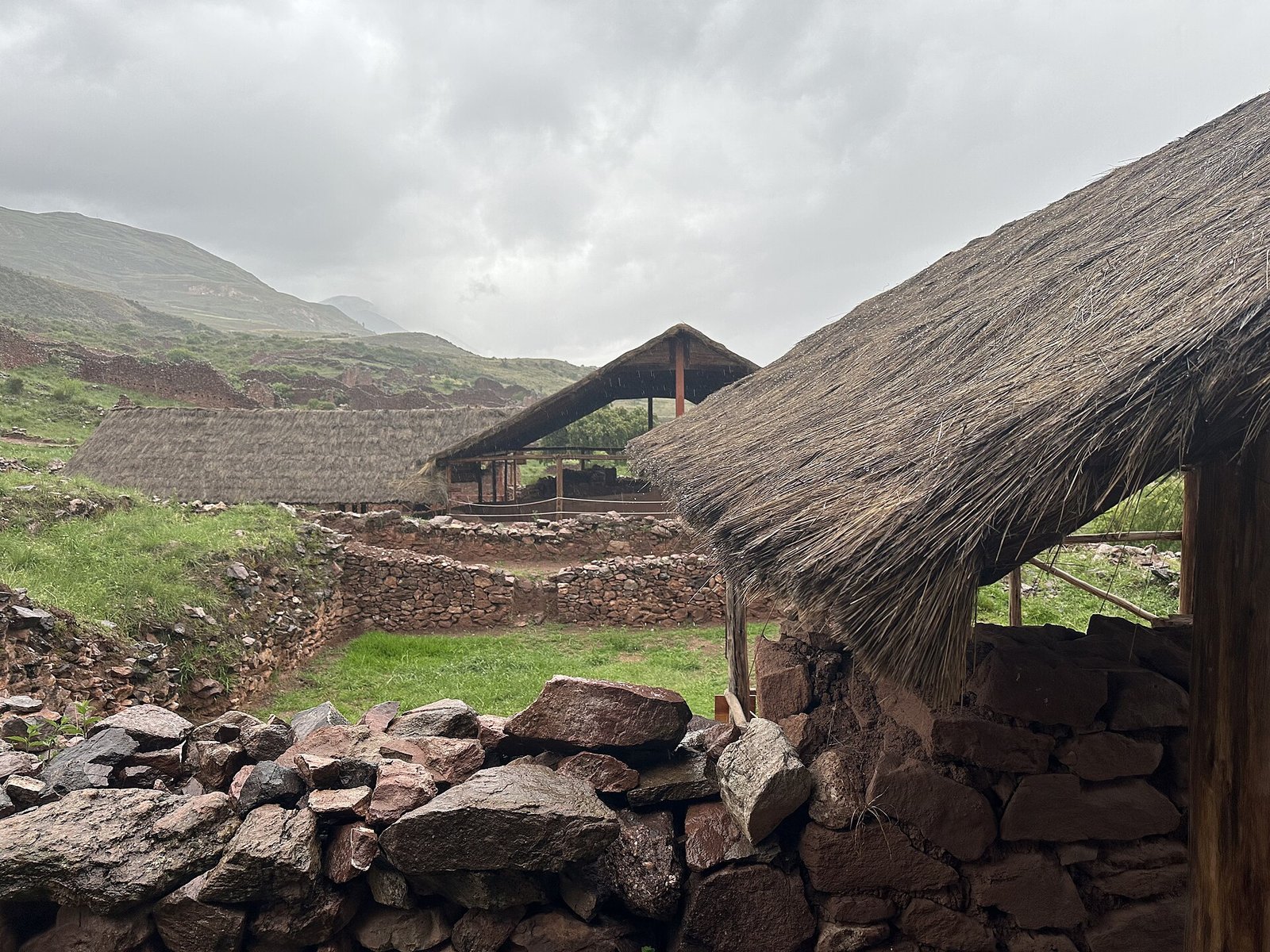
A straight street is more than a convenient route through the remains. It helps reveal the regular organization of the city. Pause where the permitted path gives a view across several compounds. Compare the repeating geometry with the less regular appearance of individual stones: careful planning does not require every wall to use the finely fitted blocks associated with later Inca monuments.
What happened to the city?
The original settlement was abandoned, but a single dramatic explanation should not replace archaeological research. Research has considered deliberate closure and later disturbance. Ask your guide which observations support a particular interpretation. A surviving wall cannot, on its own, establish the motives of the people who left.
| Focus | What it adds | Keep in mind |
|---|---|---|
| Pikillacta | Wari urban planning | Look for repeating streets and compounds |
| Tipón | Inca hydraulic landscape | Look for terraces, channels and fountains |
| A combined outing | Two different historical perspectives | Allow time to understand each rather than counting stops |
Pikillacta and the wider landscape
The surrounding area includes other archaeological features and the Huacarpay landscape. Do not assume that every nearby structure belongs to the same period or is included in the same public circuit. This is especially important when discussing Rumicolca, whose relationship with different periods requires more care than treating the whole area as one uniform Inca ruin.
Imagine the surfaces that have disappeared
Descriptions of the settlement include plastered walls and buildings with more than one level. What survives outdoors is not a complete picture of the occupied settlement. Ask which reconstructed descriptions are supported by archaeological work and which remain tentative. Avoid treating a precise population estimate as a directly observed fact.
Water stories and archaeological evidence
Local storytelling includes the legend of a princess whose suitors compete to bring water to her residence. It is a cultural story, not evidence for the dating of a canal. Water management is a worthwhile topic here, but legends, excavated structures and later alterations need to remain distinguishable.
Make it part of a South Valley day
Pikillacta pairs naturally with Tipón as a comparison between different landscapes and historical traditions. The park authority places it roughly 20 miles southeast of Cusco. Confirm access and ticket arrangements, allow for uneven surfaces and do not equate a road journey estimate with the time needed to understand the site.
Frequently asked questions
Are Pikillacta and Pikillaqta the same site?
These are common spelling variants for the Wari archaeological site southeast of Cusco.
Was Pikillacta built by the Incas?
Its principal planned urban remains belong to the Wari tradition. Do not label the entire complex Inca.
Is the princess-and-water story archaeological proof?
No. The Sumak Tika story is a legend. It can enrich cultural storytelling when clearly distinguished from evidence about water infrastructure.
Sources and further reading
- Cusco Culture: Pikillaqta Archaeological Park Cusco Culture Accessed
Photography credits
Piquillacta Archaeological site – street.jpg by AgainErick · CC BY-SA 3.0; Pikillacta, Cusco.jpg by Risa histriónica · CC BY-SA 4.0. Display sizes may be reduced by WordPress; photographs retain their original attribution.